

The term “mega drama” gets thrown around rather easily these days. A big cast, a popular pairing, an expensive set and almost any upcoming serial can find itself carrying the label.
Then a trailer like Mitti De Baway comes along and reminds you what scale can actually look like on television.
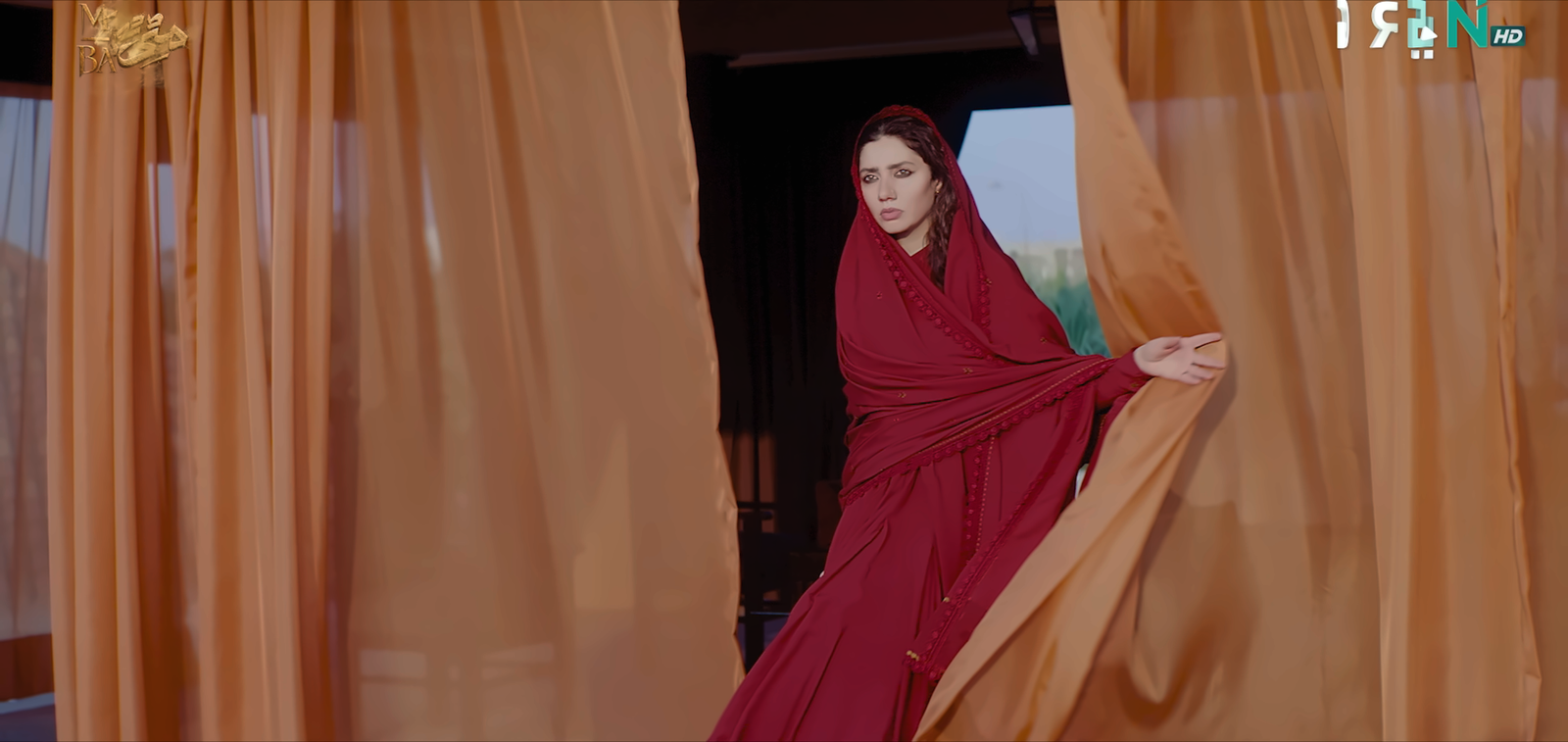
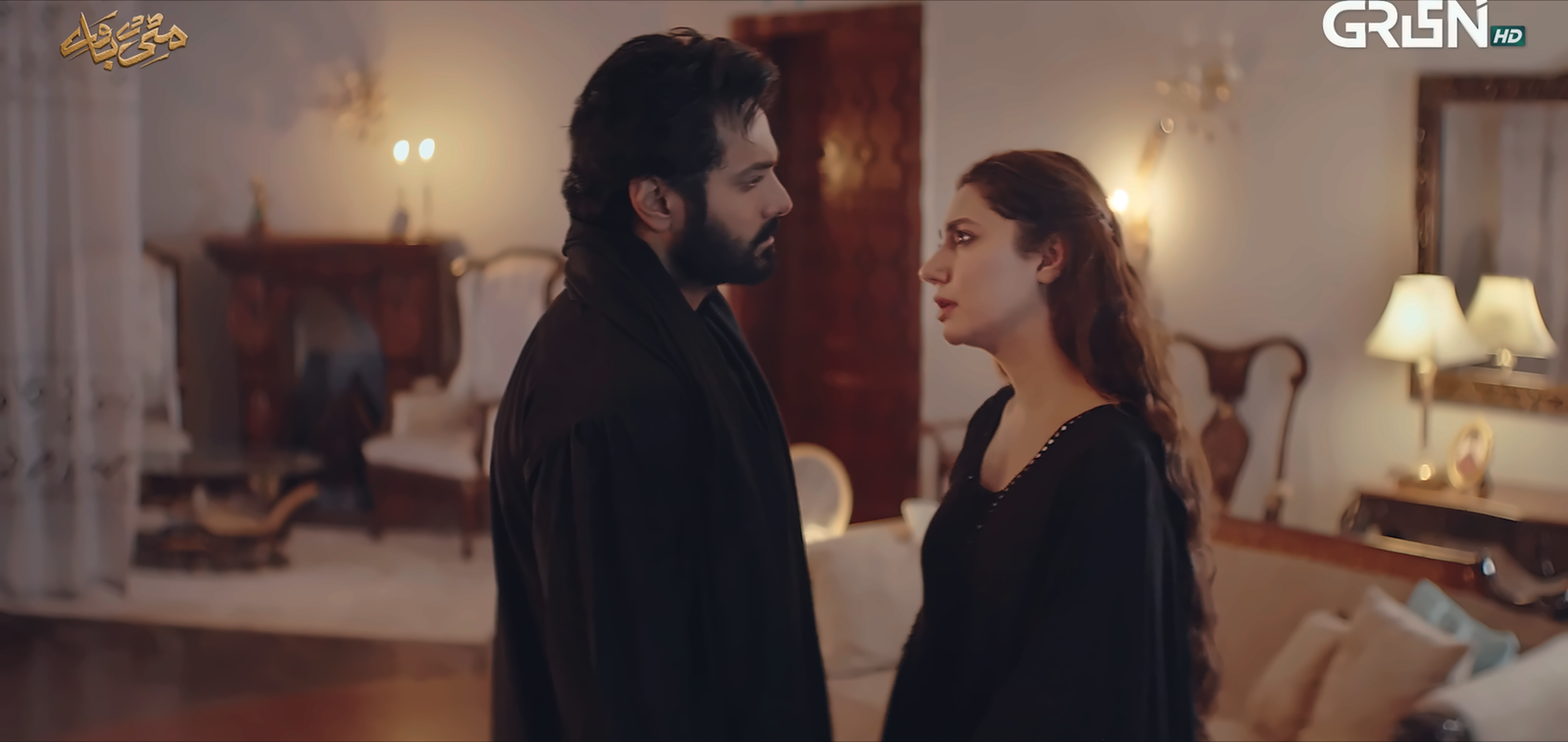
Green Entertainment’s upcoming serial has been generating anticipation for weeks, but its recently released trailer has shifted that excitement into another gear. What initially began with curiosity around Mahira Khan and Wahaj Ali coming together for the first time has quickly expanded into conversations about the sheer size, visual identity and ambition of the project itself.
And audiences have noticed.
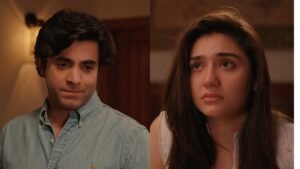
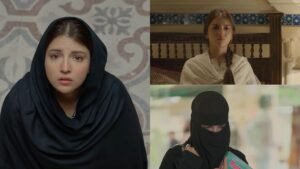
The trailer has sparked an overwhelming response across social media, with viewers dissecting everything from the performances and character looks to the locations, costumes and cinematography. The excitement has also travelled beyond audiences, with actors and members of the entertainment fraternity publicly appreciating the trailer and the scale of what has been created.
The digital response has been equally difficult to ignore.
Mitti De Baway became a trending entertainment conversation on X around its trailer release, while its momentum on YouTube extended beyond Pakistan, with the trailer trending across markets including Bangladesh, UAE, Qatar, Oman and Saudi Arabia. The cross-border response is particularly interesting for a Pakistani television serial that has yet to air a single episode.
But perhaps none of this should be surprising.
Mahira Khan and Wahaj Ali sharing the screen for the first time was always going to command attention. But the trailer makes Mitti De Baway feel considerably bigger than its lead pairing.
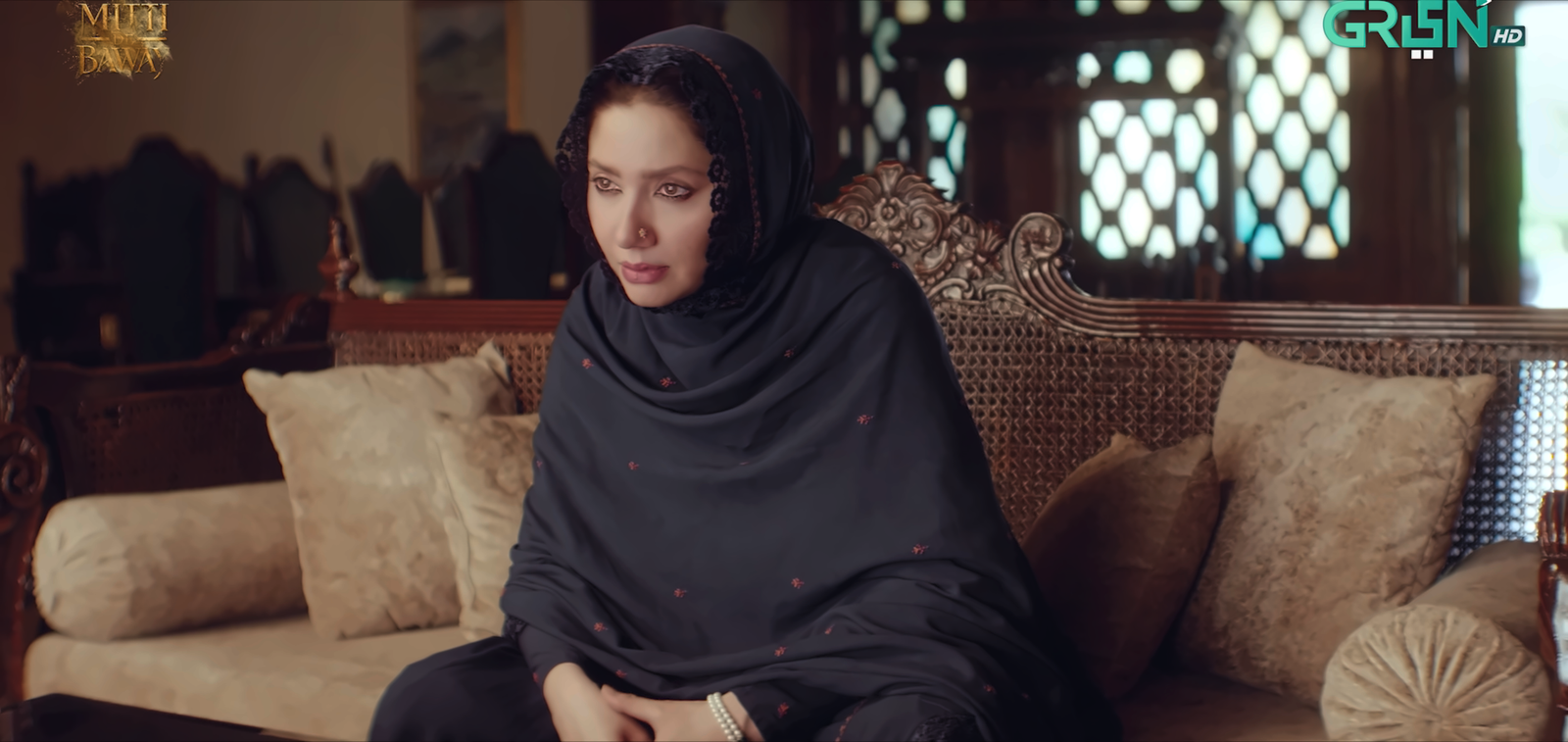
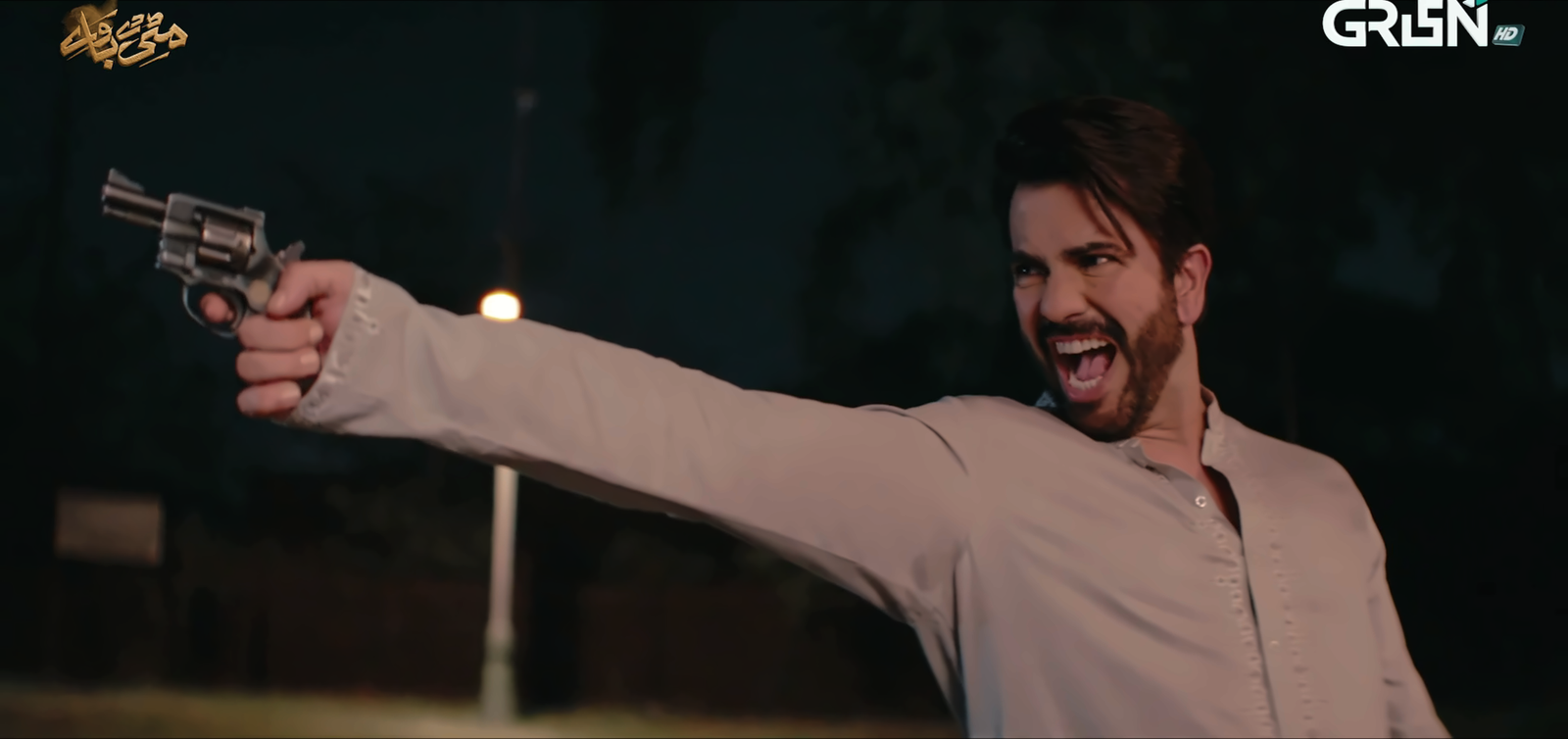
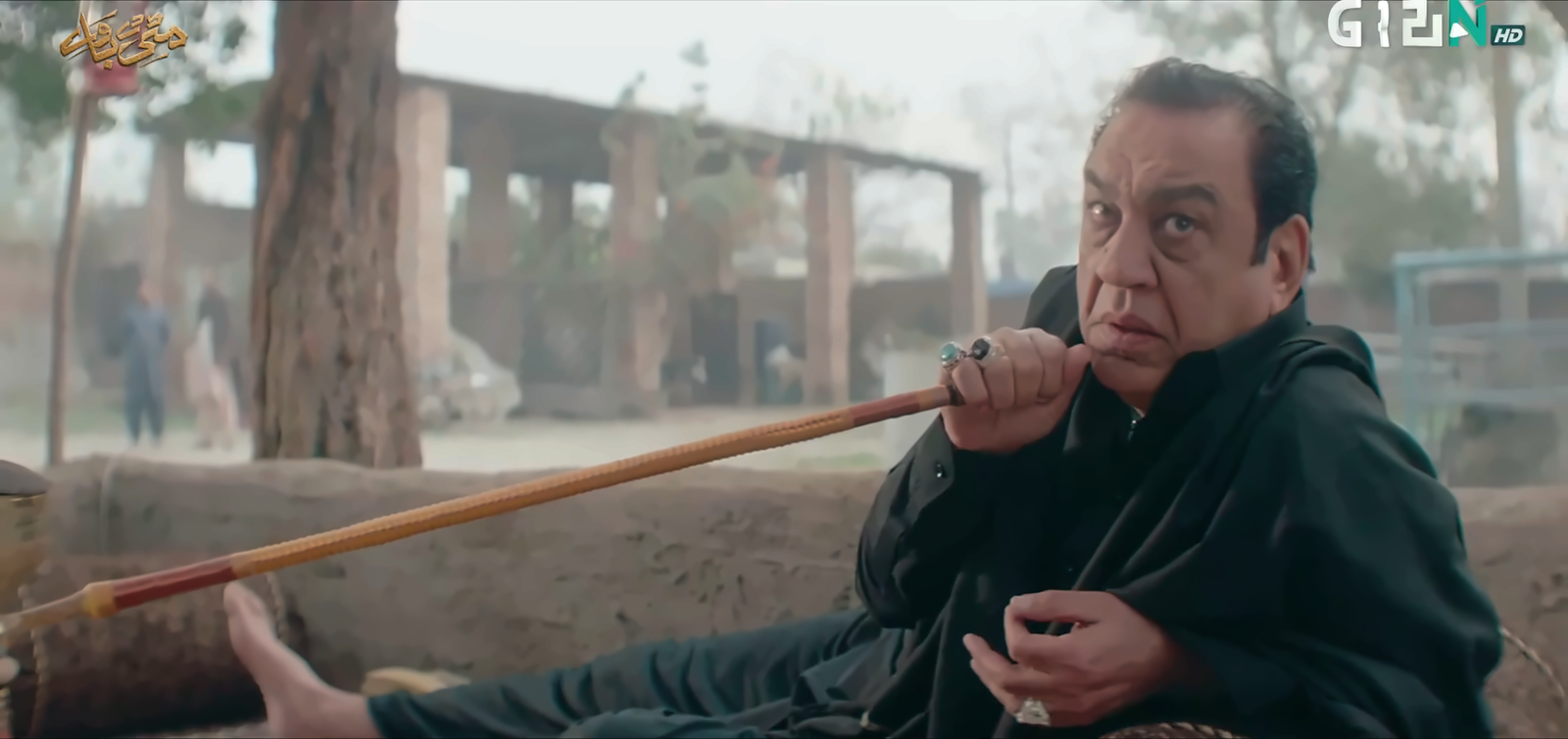
Mahira’s Bilquees and Wahaj’s Bala lead an extensive ensemble featuring Junaid Khan, Amar Khan, Aena Khan, Hina Afridi, Noor ul Hasan, Sohail Ahmed, Syed Fazal Hussain and Ahmed Randhawa, among others, hinting at multiple characters and conflicts within a much larger canvas.
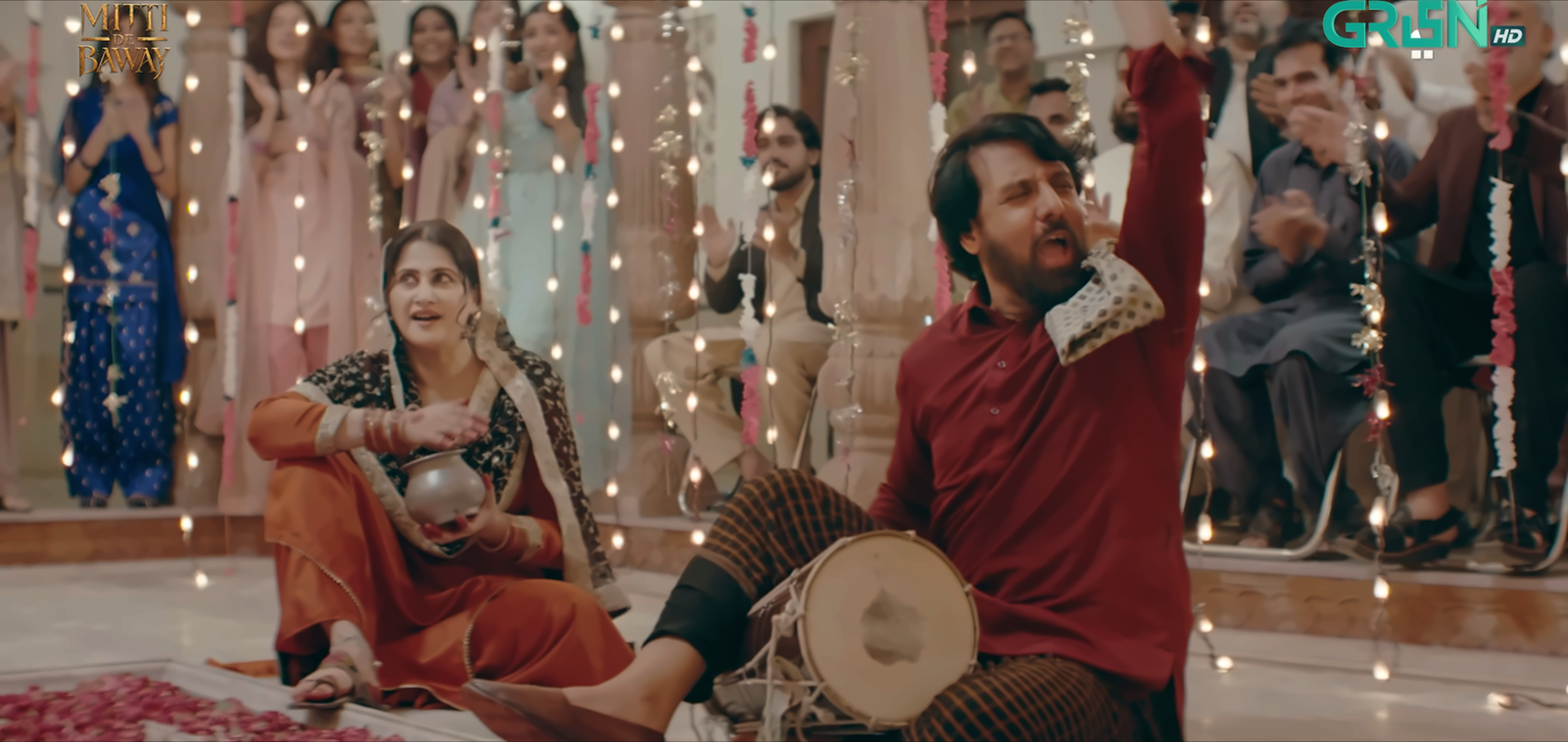
Rooted in rural Punjab, the locations, architecture, costumes and landscapes give the production a distinct visual identity. It looks grand, but importantly, the scale appears to serve the story rather than overwhelm it.
Written by Faiza Iftikhar and directed by Syed Wajahat Hussain, the project reflects an approach increasingly associated with Green Entertainment. From Kabli Pulao and 22 Qadam to Duniyapur and Pamaal, Green’s biggest projects have rarely looked alike. What connects them is a willingness to give different stories the treatment they require rather than force them into a familiar television formula.
Mitti De Baway may be that philosophy operating on its biggest canvas yet.
Behind that ambition is Green Entertainment Executive Director and producer Tehreem Chaudhary, currently the youngest television producer in Pakistan and already associated with some of the network’s most impactful and ambitious projects.
Speaking about Mitti De Baway, Tehreem says:
“Mitti de Baway is a project we have believed in for a long time and I’m incredibly excited for our audiences to finally enter this world with us. It is a story we have waited for, invested in and stood behind and I hope it becomes one of those rare projects that stays with people long after its final episode.
“This was never a project we wanted to approach by asking what would be easier, safer or more conventional. The world, the scale and the story demanded conviction and we made a conscious decision not to compromise on that. Every element of the production had to feel worthy of the story we were telling. For us, that meant having the courage to go further to build the world as it deserved to be built and give the story the scale and treatment it demanded.
“Ultimately, I hope we are remembered not just for the numbers our projects achieved but for the stories we had the courage to tell and the conviction to tell them properly. Mitti de Baway is our next step in that direction.”
Her words explain why Mitti De Baway feels less like an isolated attempt at creating a “mega drama” and more like the continuation of an approach Green has been developing since its arrival.
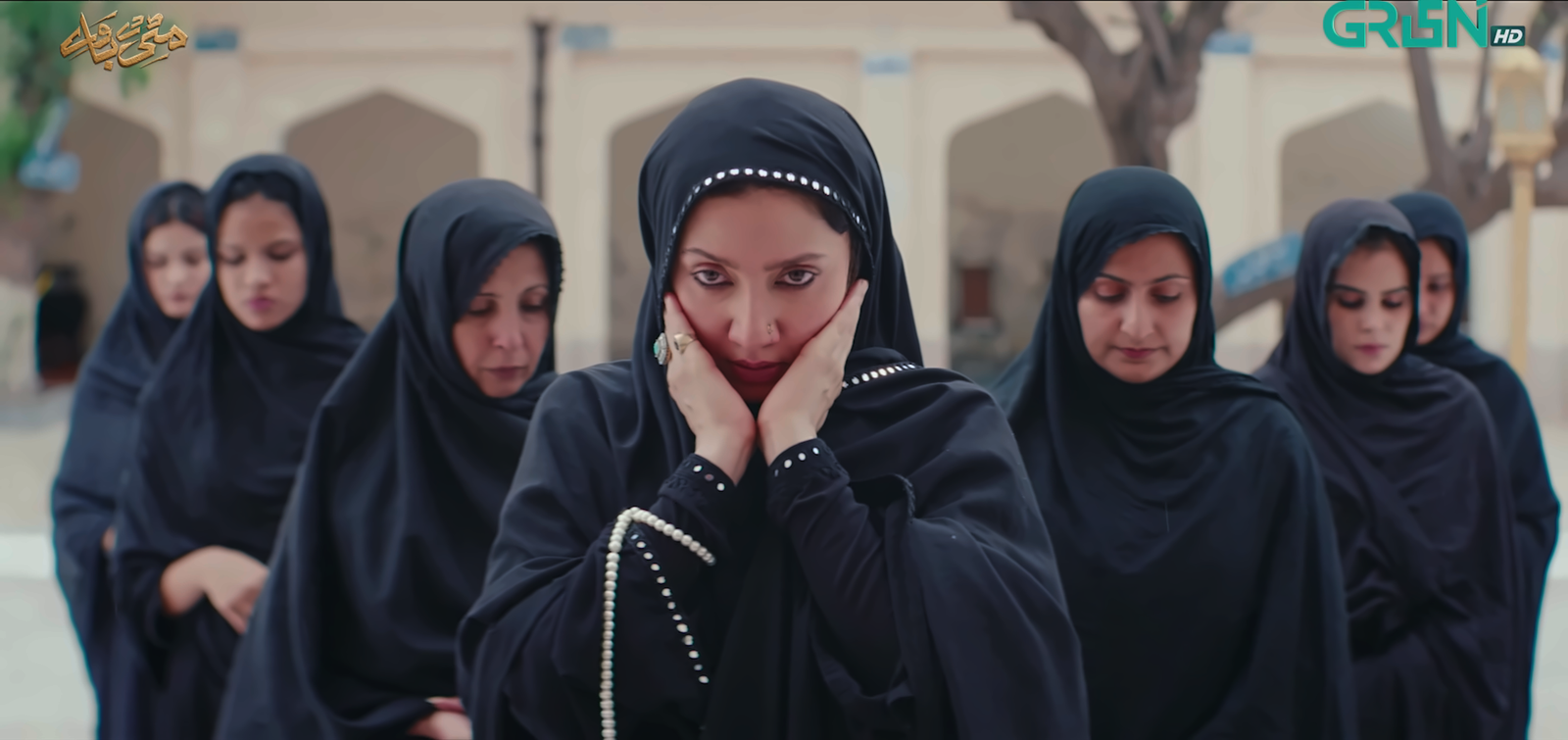
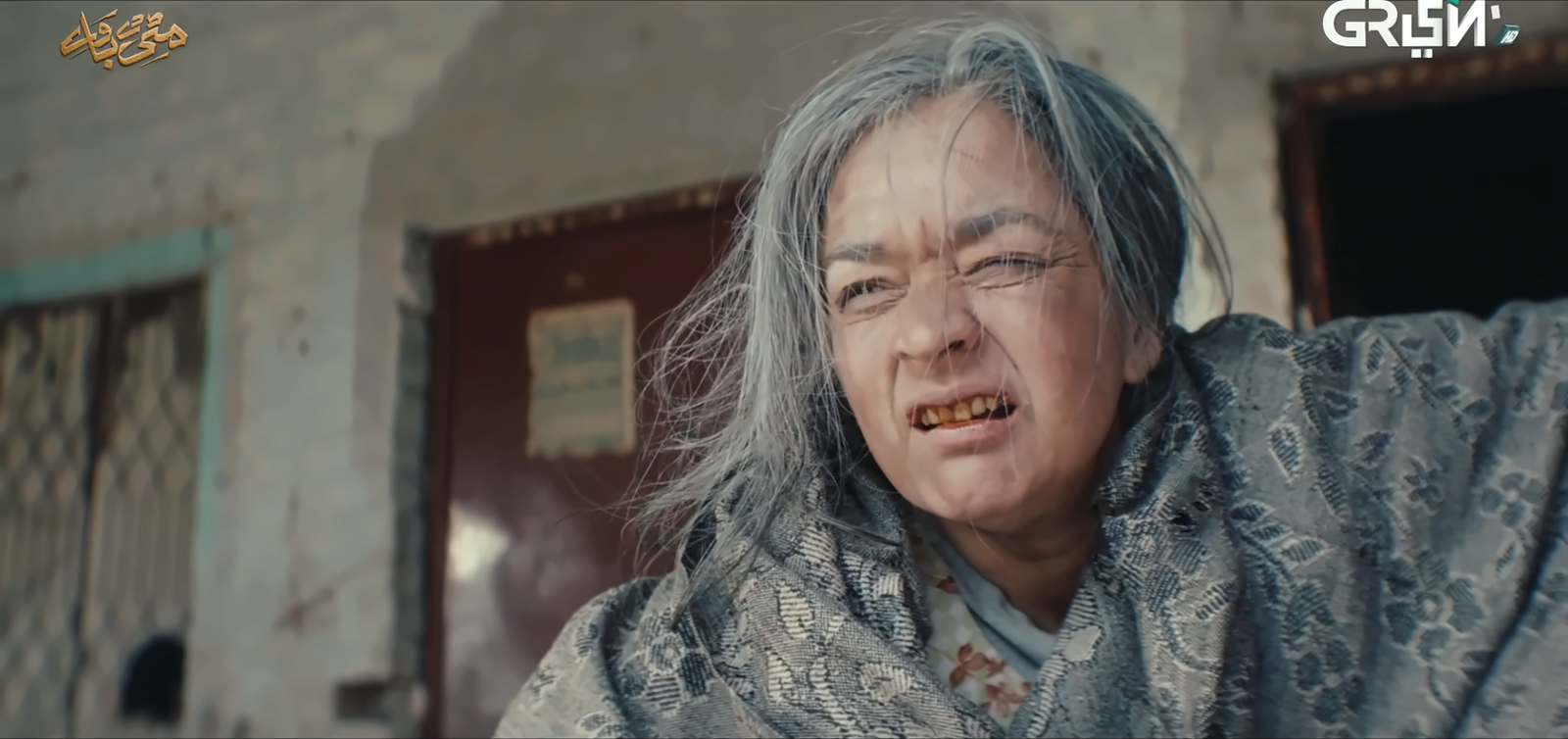
The network has repeatedly backed stories requiring different worlds, genres and creative risks. Some have connected through unconventional storytelling, others through emotional resonance or sheer scale. What remains consistent is the willingness to go further.
And Mitti De Baway certainly doesn’t look like a project built around playing safe.
If the trailer is any indication, Mitti De Baway isn’t just embracing the “mega drama” label. It is redefining what that label should look like on Pakistani television.