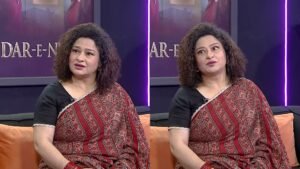


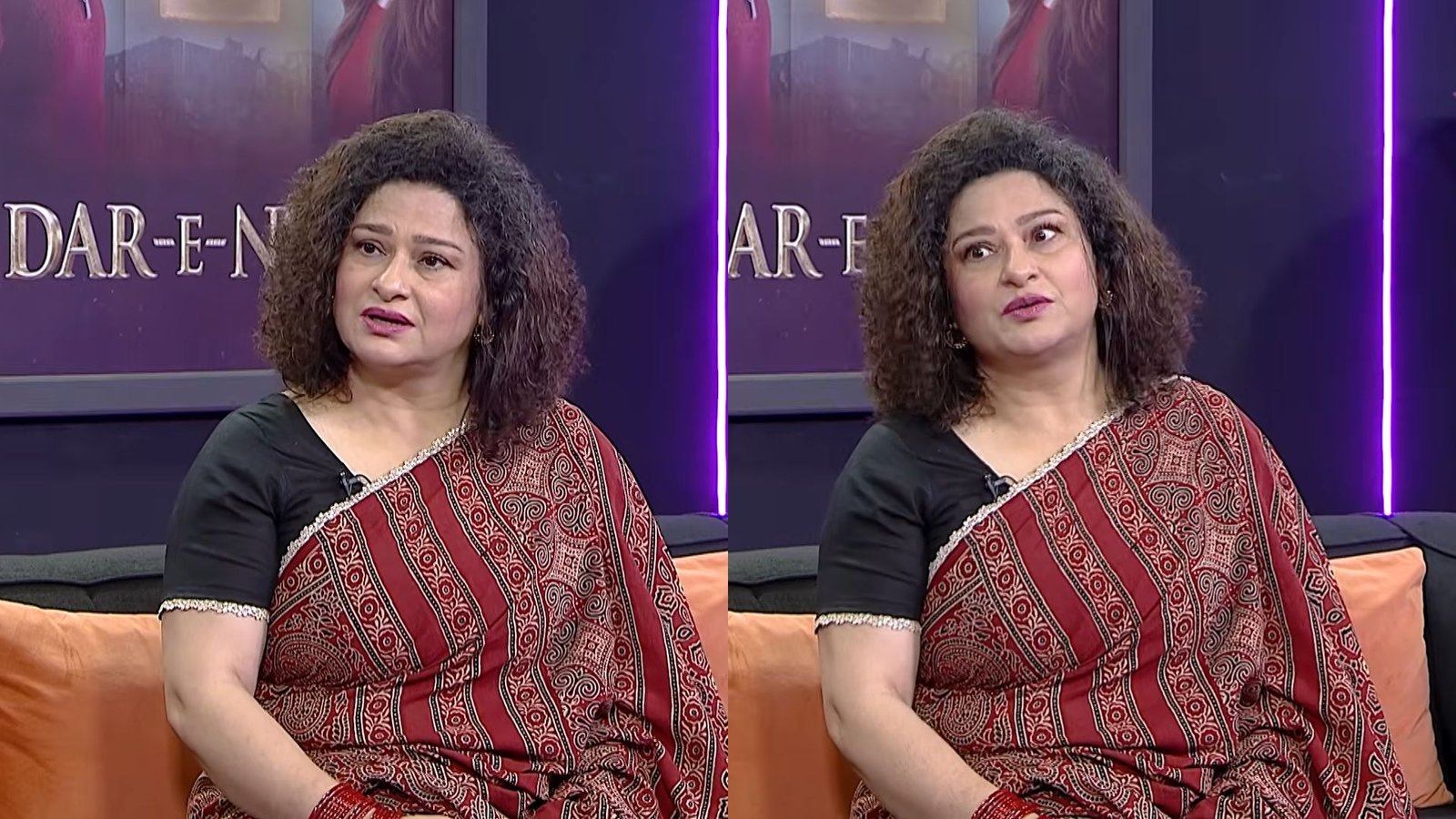
Veteran actor Sania Saeed has offered a sharp critique of how viewers are responding to Abu Bakr, Sheheryar Munawar’s widely praised character in the hit drama serial Dar-e-Nijaat. Speaking in a candid interview on ARY Digital’s BUZZ with Hassan Choudary, she pushed back against the popular perception of Abu Bakr as an almost angelic “fantasy man,” pointing out that his qualities are completely ordinary when seen in women. Sania plays Khushbakht, the resilient single mother who raised Abu Bakr. While audiences have celebrated Abu Bakr as a rare, idealized hero, she argued that labeling basic decency as extraordinary actually distorts what normal human behavior should look like.
Sania noted that calling Abu Bakr angel-like takes away from the reality that kindness, respect, sharing resources, and knowing how to listen are simply the traits of a decent human being, not a miracle. She went on to highlight the stark double standard behind the character’s popularity. She observed that Abu Bakr is drawing intense focus and praise largely because he is a man displaying empathy and care, whereas countless women already live that exact way every day without anyone noticing. Sharing her initial impression of the script, she stated that Abu Bakr felt as though a girl’s character was written and simply turned into a boy. She added that an Abu Bakr exists in every household; an elder sister is always similar to him.
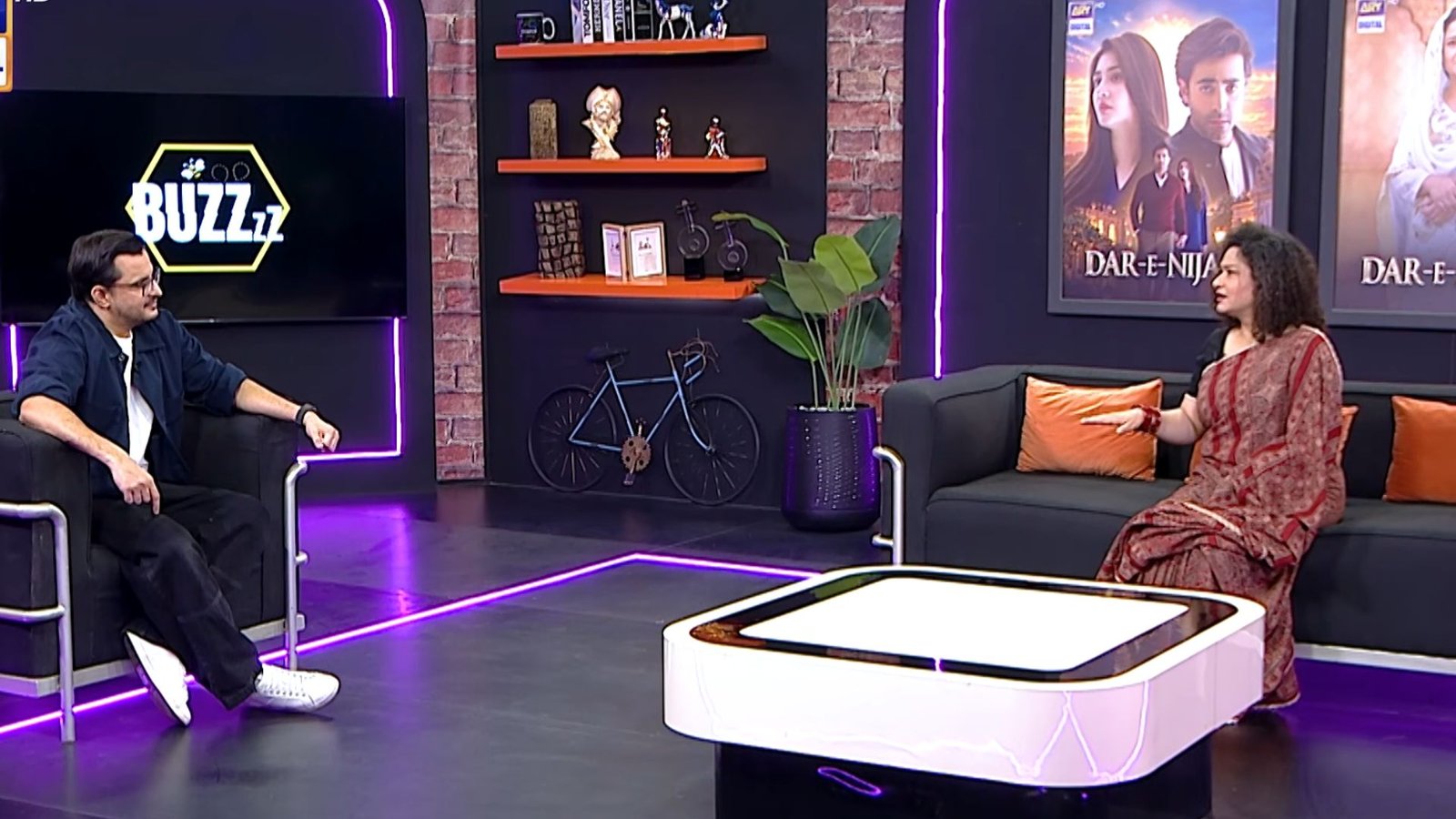
Her observation reflects a familiar reality in our society, where women routinely embody patience, generosity, and quiet caretaking as society views this behavior as completely normal for a woman, it goes unnoticed and uncelebrated. As Sania pointed out, had Abu Bakr been written as a daughter instead of a son, the character would not have stood out to audiences at all, let alone been hailed as angelic.
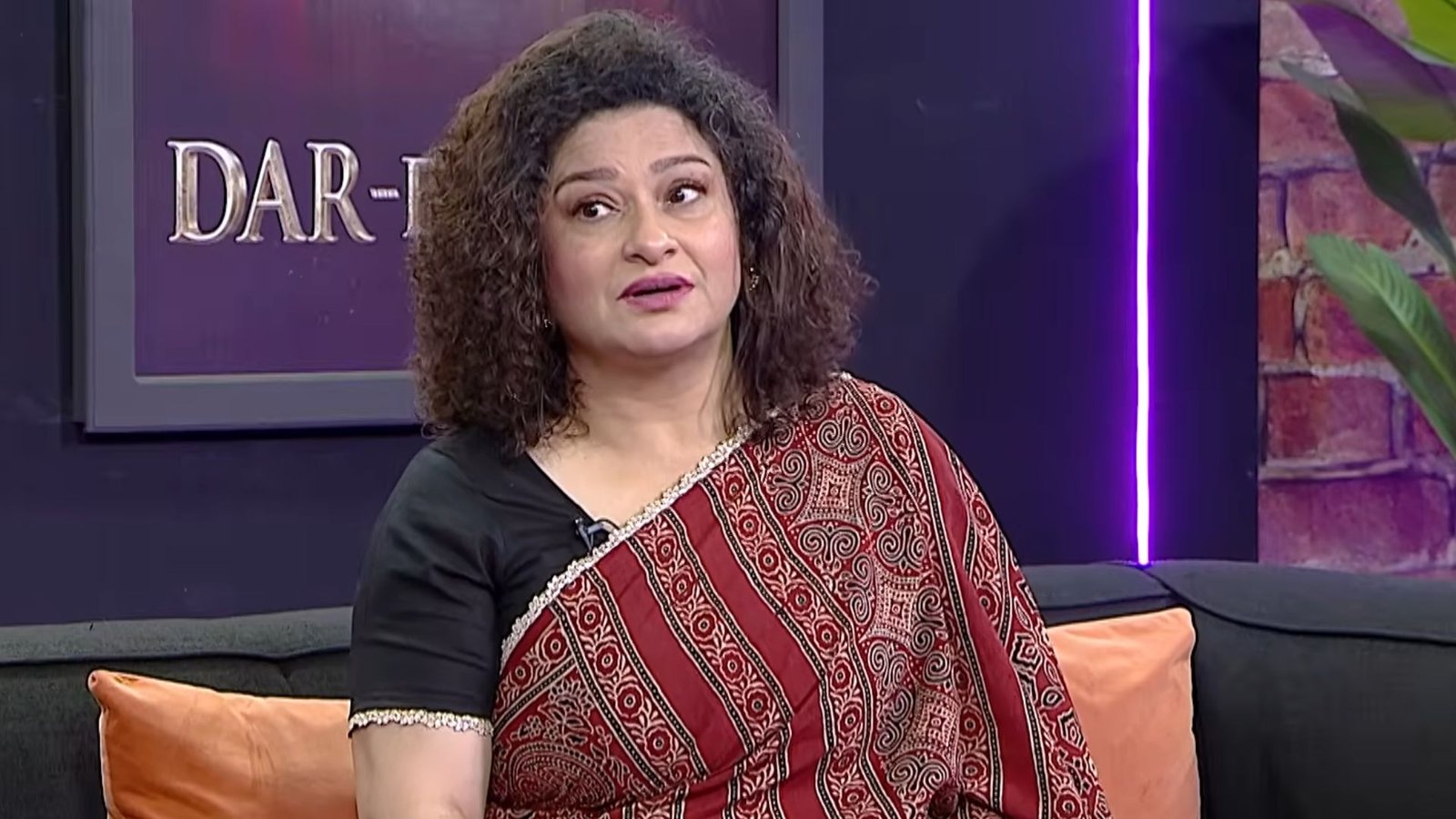
Beyond challenging the romanticization of Abu Bakr, Saeed also reflected on why Dar-e-Nijaat has resonated so strongly with viewers. She called it unfortunate that basic kindness and emotional maturity feel like a fantasy to so many people, noting that it reflects how rarely they encounter such traits in their own circles. By reframing Abu Bakr’s appeal, she turned a conversation about a beloved television hero into a grounded reminder of how differently the exact same virtues are judged depending on whether they belong to a man or a woman.