



Some protagonists do not fit into plain boxes of good or bad; instead, they exist in the messy space between their personal flaws and their core values. Mitti De Baway’s Baala (Wahaj Ali) lives in this contradiction-a man whose personal life is tangled in unfairness and obsession, yet who becomes the fiercest defender of a woman’s privacy and respect.
To understand the weight of Baala’s character, one has to look at just how deeply flawed he truly is. He is far from a traditional hero; married twice, with two wives waiting at home, Baala still cannot let go of Billo, his first love. His unwillingness to move on and the way his existing marriages take a backseat to his longing for Billo, exposes a selfish, restless side. In his own relationships, he is emotionally negligent, inconsistent, and causes real pain to the women tied to him. He lives outside the law, makes reckless choices, and fails the very people who expect loyalty from him at home. Yet, in a striking contrast, that exact same man refuses to look away when another woman’s dignity is violated.
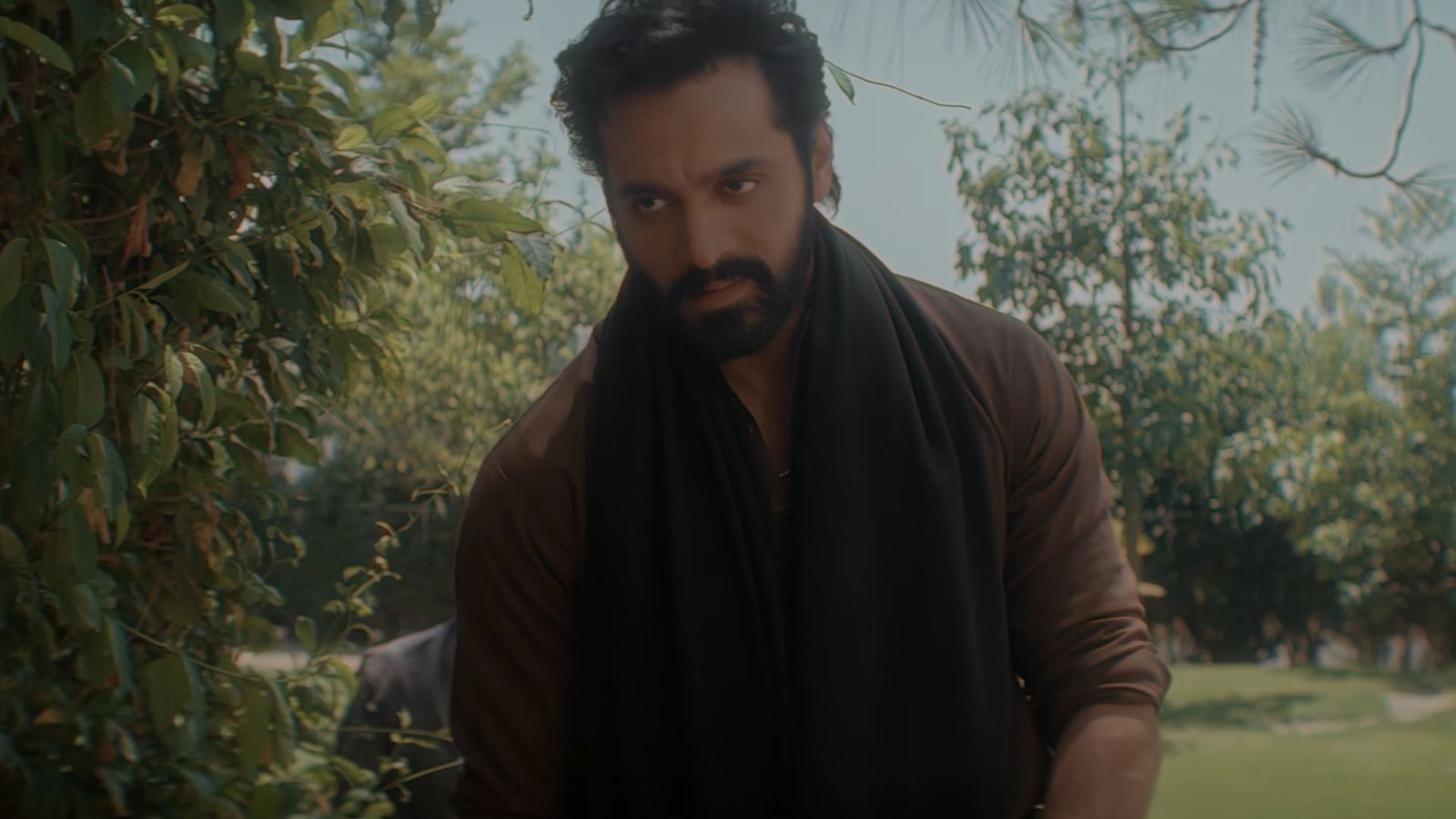
In the latest episode, during a tense standoff at a farmhouse involving Roomi (Abul Hasan), the spoiled son of his powerful associate Phajja Sarkar (Sohail Ahmad), Baala learns an ugly truth that Roomi had arranged for explicit photos of a young girl, Noshi, to be taken secretly inside a changing room and was using them to blackmail her. While Roomi hides behind his father’s money and treats the girl’s privacy like a game, Baala immediately grasps the true cost of such an act; how easily a young woman’s life, safety, and future can be destroyed.
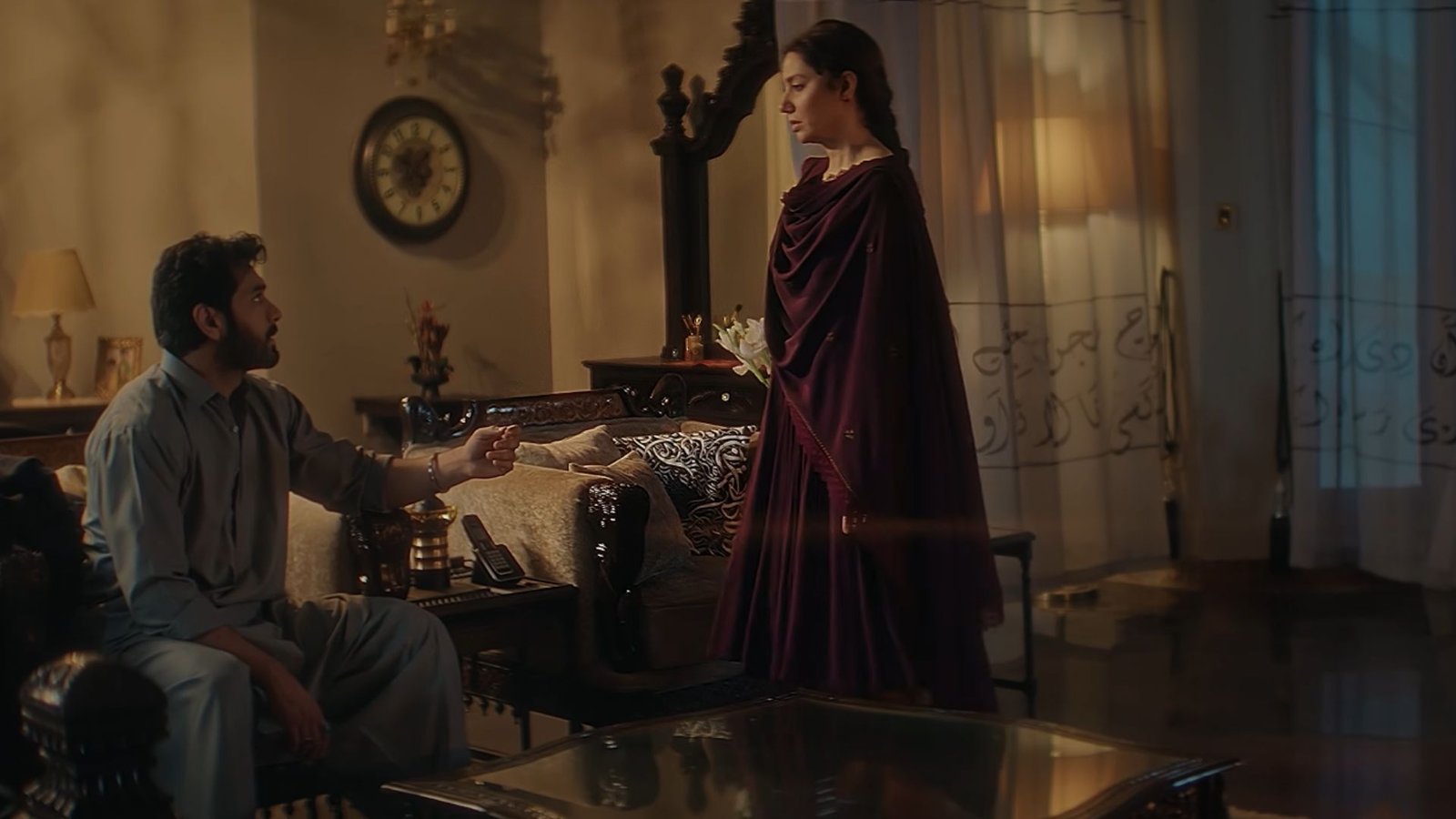
Instead of shielding his associate’s son, Baala turns on him. When Roomi arrogantly reminds Baala that he eats off his father’s wealth, Baala strips away the boy’s false sense of power, thrashing him and forcing him to delete the photos on the spot. In that moment, a man who breaks rules for a living steps up as the only one defending basic human decency.

This sharp contrast between who Baala is at home and who he becomes in moments of crisis is what makes Mitti De Baway gripping. It does not excuse Baala’s personal failings; it does not turn him into a spotless savior, nor does it erase how unfair he is to his wives. Both sides of him exist together where he can be emotionally careless and selfish in love, yet fiercely protective when a woman’s honor is threatened.
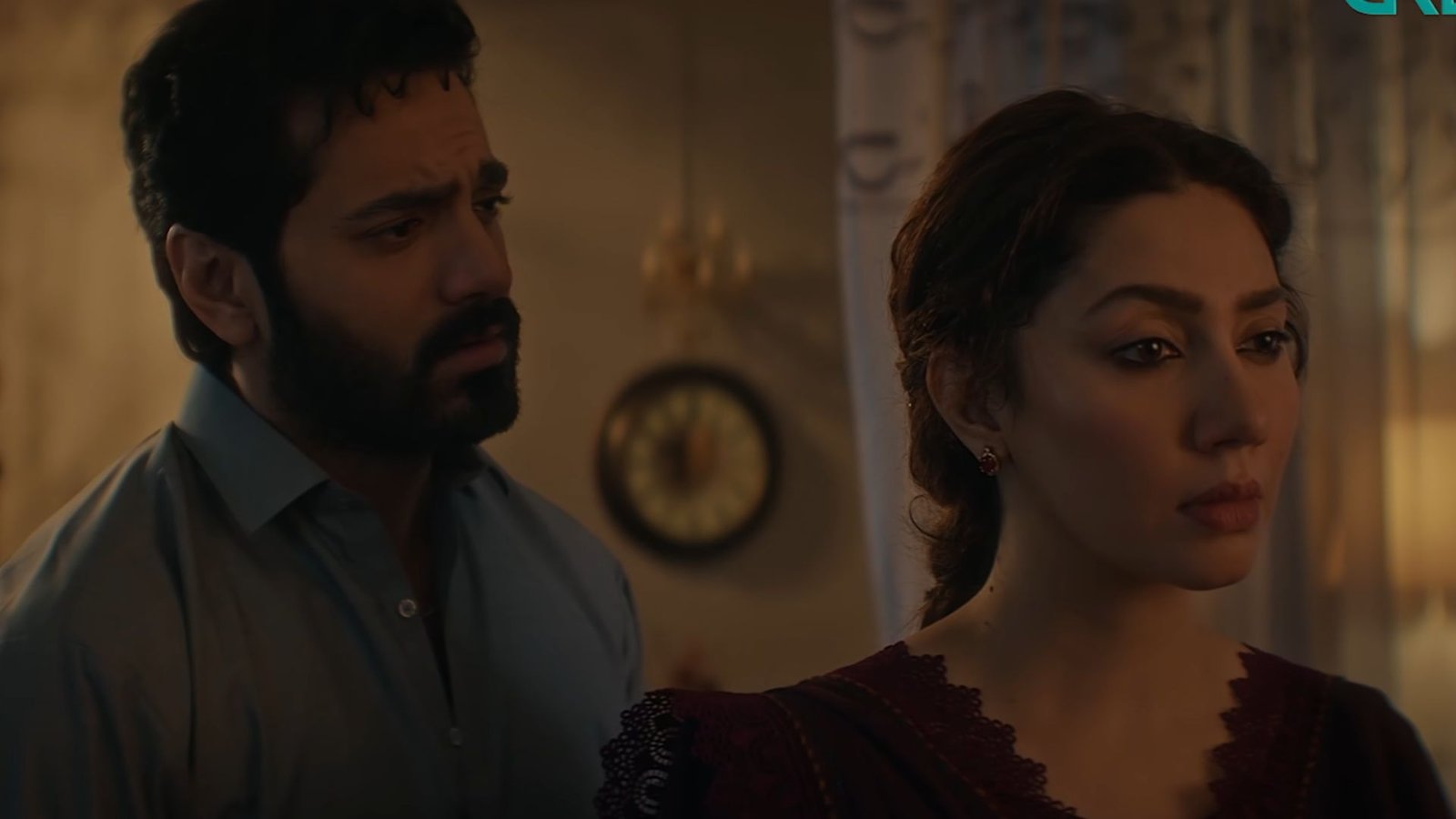
The unraveling layers of the character shows that it is these very contradictions that bring Baala to life. Watching a visibly imperfect, deeply flawed man take an uncompromising stand against a woman’s exploitation leaves a much stronger mark, winning praise across the internet. Appreciating Baala’s flawed heroism, a netizen took to X and posted:
The same Baala who’s been married twice & still can’t get over Billo, fighting a man for disrespecting a woman’s privacy. The irony, the grey shades, the layers. This’s what I call a beautifully written contradiction. I’m genuinely obsessed with how he’s written 😭😭
#WahajAli https://t.co/dkH0OgwOoD
— little_sky (@celestialInkx) November 18, 2026
Another X user lauded how a woman’s dignity remains of priority to him and posted:
Baala might be a man full of flaws, but he never compromises when it comes to women’s dignity.
WELL DONE BAALA 👏🏻#WahajAli #MittiDeBaway https://t.co/wuRISOCzwO
— Persephone (@ARCANE_IR) November 18, 2026
Commenting on how Baala’s true self remains hidden, a user posted:
اندروں بدمعاش باروں شریف
یا
باروں بدمعاش اندروں شریفپھجے پائن کی طرح ہم بھی کنفیوز ہیں کہ یہ بالا ہے کیا۔۔
#MittiDeBaway
— Uzma. (@uzmaaar) November 18, 2026