


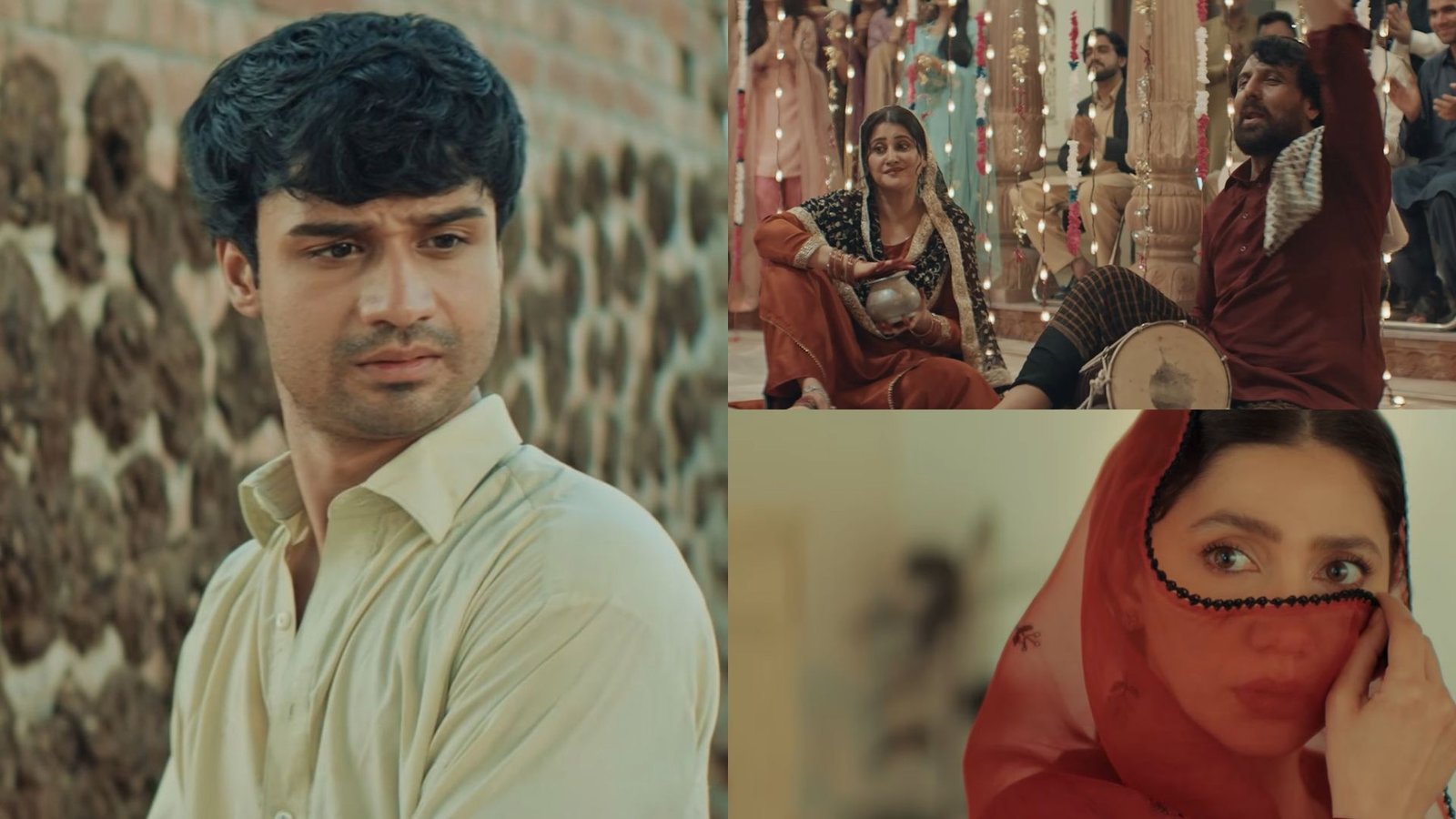
Steeped in the nostalgic era of the 1980s and 90s, Mitti De Baway pays deep homage to Punjabi heritage and folk tradition. The show brings historical Sufi poetry and age-old folk songs out of the background and places them at center stage. As the story of Iqbal (Wahaj Ali) and Bilqees (Mahira Khan) unfolds, each track reflects their origins and hauntingly echoes what lies ahead, preserving Punjab’s vibrant musical legacy in every scene.
Allar Ballar Baway Da
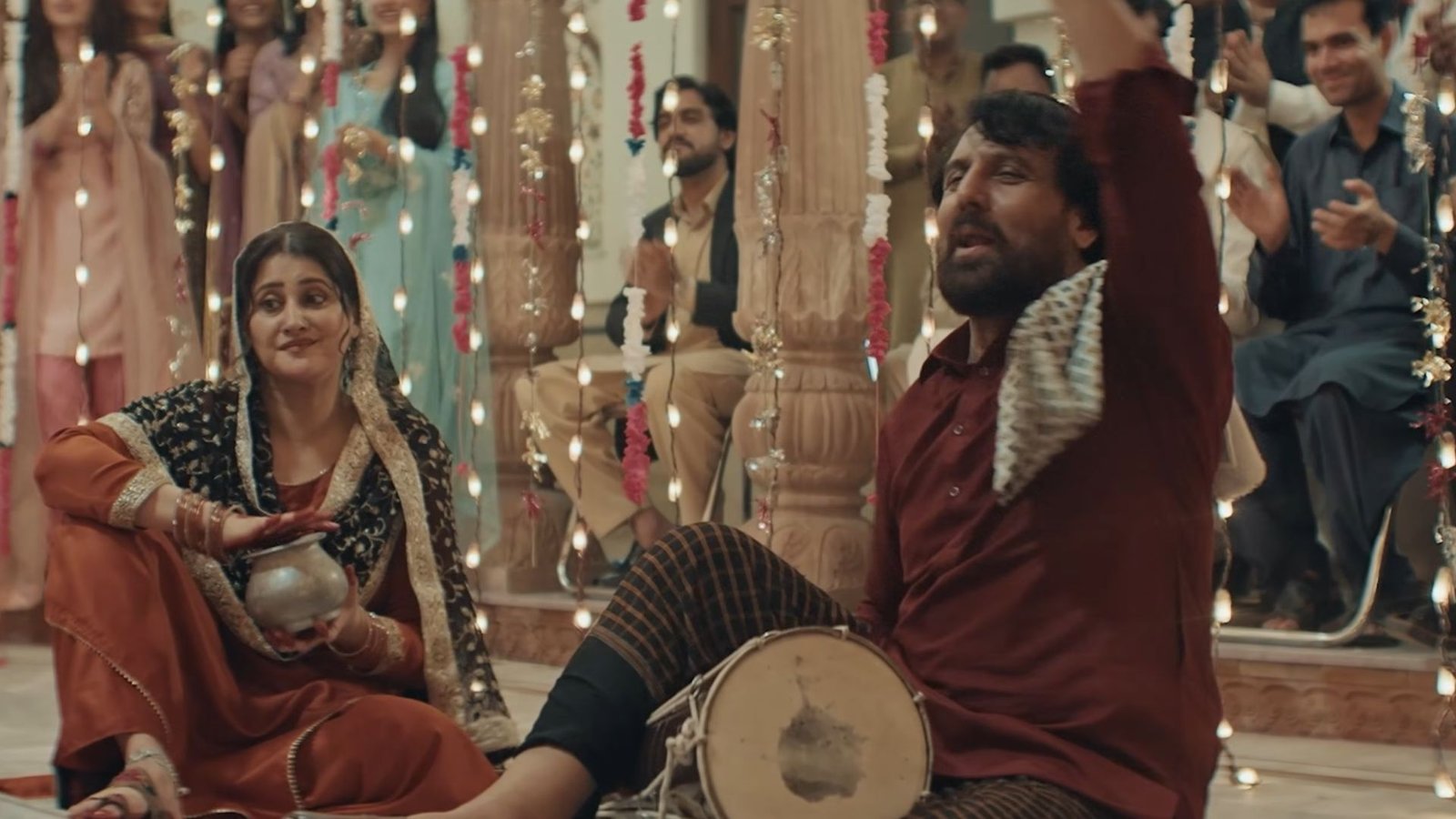
Jan Rambo and Sahiba step in as Iqbal’s parents; they bring their heritage as ‘mirasi(folk singers)’ and join a celebration, singing Allar Ballar Baway Da. A folk lullaby of unknown origin, passed down through generations in Punjabi with several renditions and variations. It is set in the agrarian era, where the mother earns by cleaning the wheat brought by the father. While the lullaby has many versions, Noor Jehan recorded a rendition in March 1990. Though it skips the lullaby’s message, it focuses explicitly on a relationship between two lovers.
Jagga
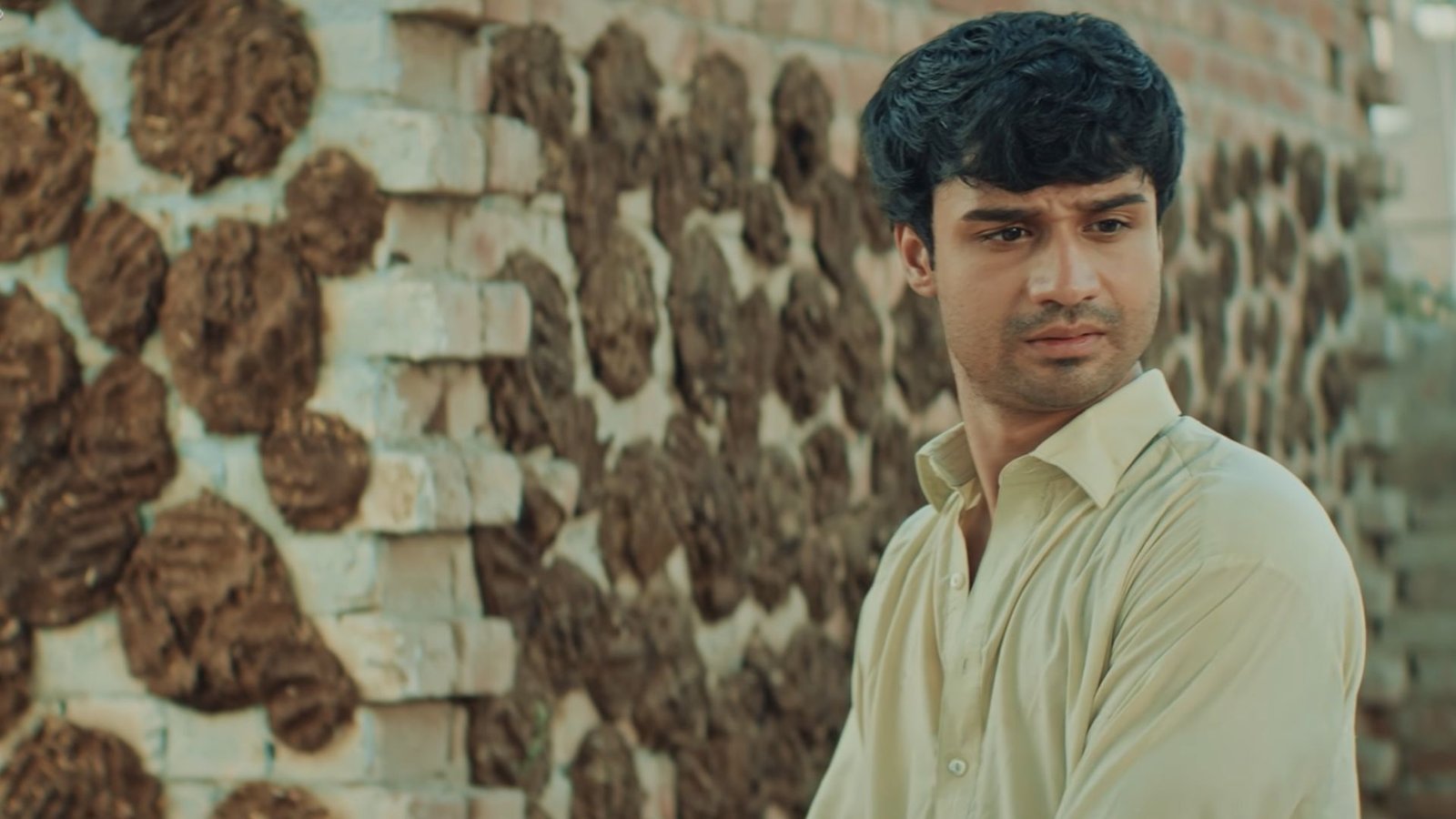
Another folk ballad, Jagga is a depiction of the real-life history of Jagat Singh Virk (Jagga Jutt/Jagga Daku) from the 1900s, who was known as the ‘Robinhood of Punjab’. He rebelled against British Rule in India and looted wealthy British sympathizers, moneylenders, and landlords. He remains a prominent historical figure for burning down ledgers and freeing poor farmers from lifelong poverty. The symbolism is stark as Iqbal and Jagga both meet death through betrayal. Jagga was killed along with a friend in 1931 as he slept under a banyan tree. With Iqbal and Ejaz repeating the same fate, the soundtrack’s embedding is remarkable.
As the folklore was passed down through poetry and music across generations, Shaukat Ali recorded it in the late 1970s
Abrar ul Haq later recorded it in 2002, with a modernised version;
Ishq
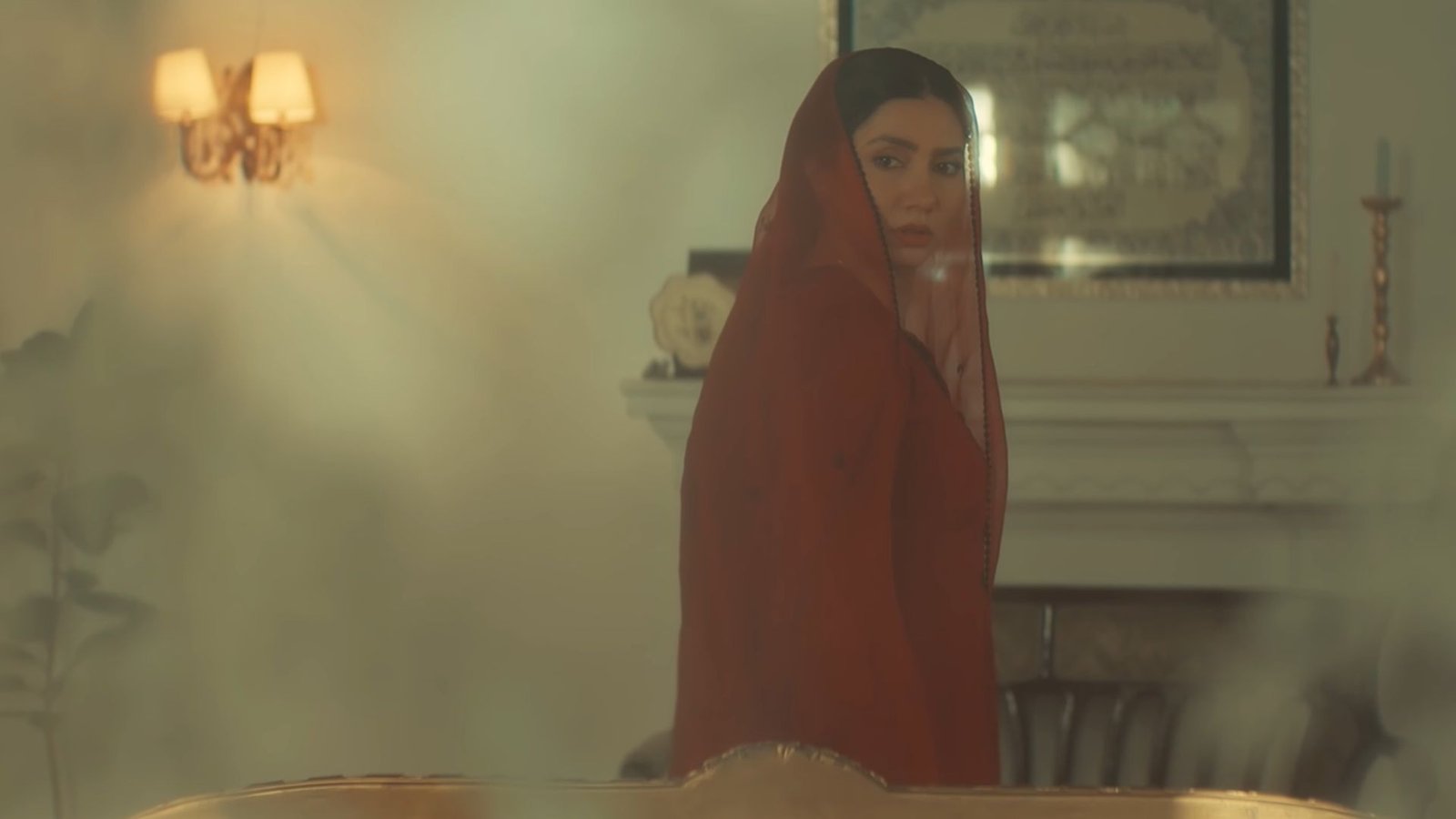
The poetic phrase “dum sooli, ishqay yaar gayon” comes from the profound Punjabi and Saraiki Sufi traditions, rooted in the historic tragedy of Mansur Al-Hallaj, a 10th-century Persian mystic executed on the gallows for his ecstatic declaration of divine unity- Ana al-Haqq. Over the centuries, this historical event became the ultimate literary metaphor for unconditional spiritual surrender and the destruction of the ego. Legendary poets like Baba Bulleh Shah popularized it in regional folklore, using the example that true lovers willingly accept worldly sacrifice to unite with the Divine Beloved, Allah. Historically, the line has been preserved for generations through oral traditions, raw Kaafi singing at spiritual shrines, and intense introductory chants delivered by classical Qawwals like Nusrat Fateh Ali, setting a somber, sacred mood before a performance.
Paar Chanaa De
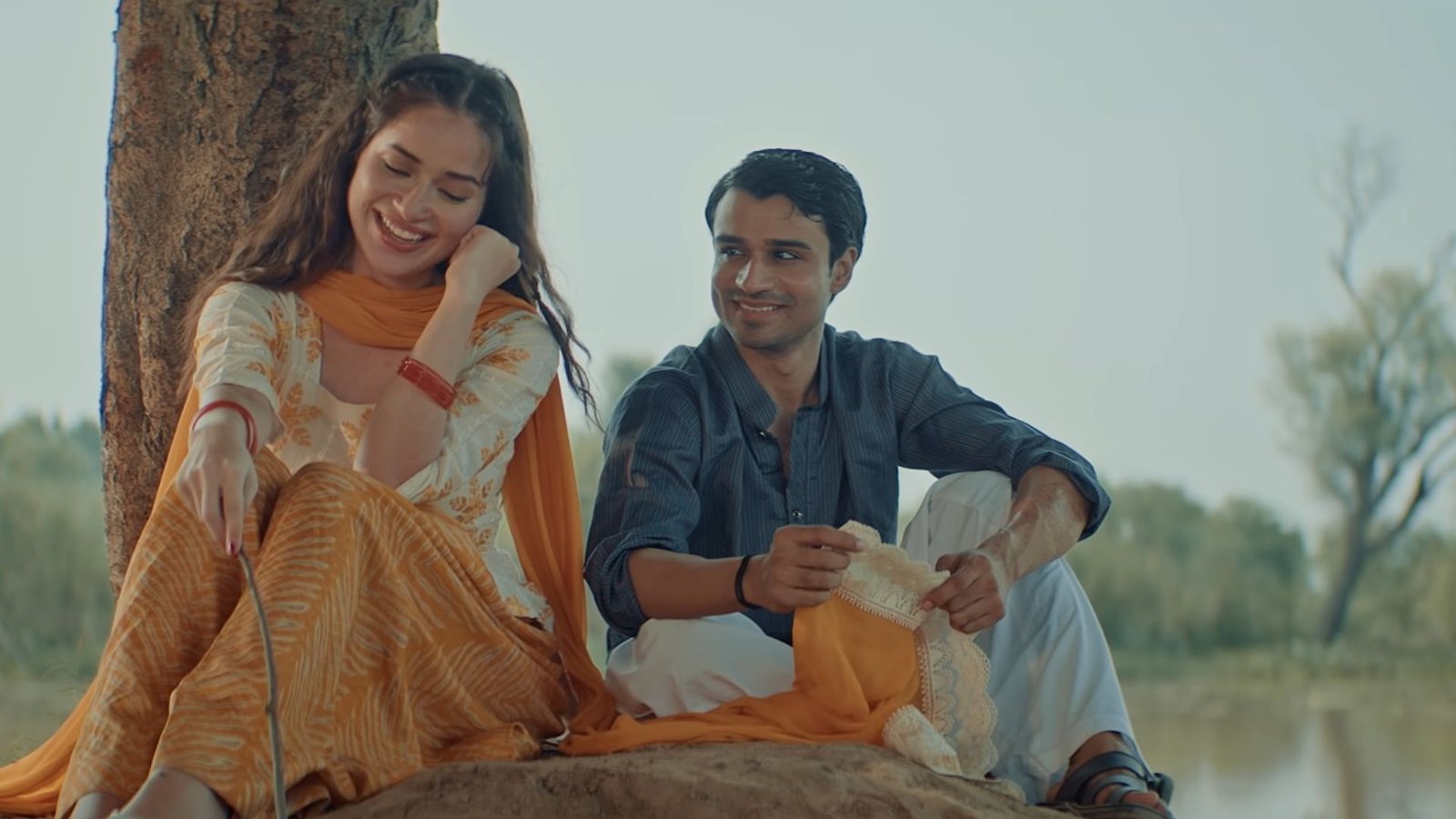
Another piece of folklore that mirrors Iqbal and Bilqees’s love story is Sohni and Mahiwal, which becomes the core of Mitti De Baway. The soundtrack that repeats with every encounter between the two is a tale of love, hatred, deceit, and ultimate death that united the lovers. Revolving around forbidden love, Sohni, the daughter of a potter in Gujrat, falls in love with Mahiwal (Izzat Baig), a wealthy trader from Bukhara who gave up his fortune and became a hermit living across the Chenab River to be near her. After being forced to marry a potter, she crossed the river every night in a ghara (baked, inverted clay pot) to meet Mahiwal. Discovering the secret, Sohni’s jealous sister-in-law replaced the baked clay pot with an unbaked (kacha) one. Unaware of the switch, Sohni entered the dark, surging river. The unbaked pot dissolved in the water, and as she began to drown, Mahiwal leaped into the turbulent waves to save her; both tragically drowned and united in death.
With many versions recorded over the years, the recent Coke Studio Season 9 rendition, Paar Chanaa De, by Noori and Shilpa Rao has become a famous version.