


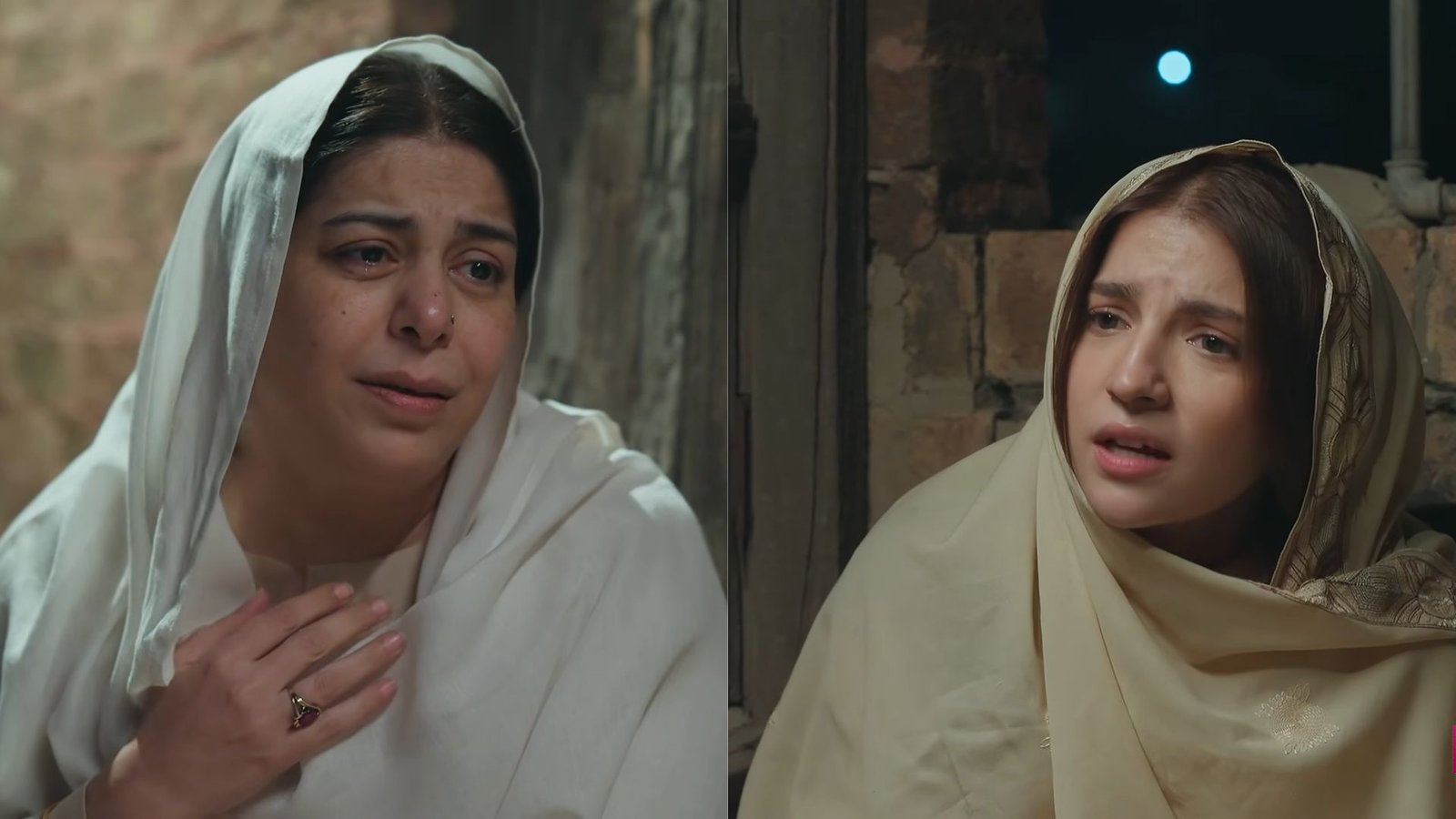
While Hurmat’s (Dananeer Mobeen) actions and fierce drive for independence keep the drama’s narrative moving, behind her lies the quiet, heartbreaking reality of a grieving mother. Nafeesa (Uzma Hassan) embodies a woman defined entirely by decades of systemic domestic control. Having spent thirty years confined within the traditional boundaries of her home, stripped of autonomy and personal decision-making, she is suddenly thrust into a harsh reality. She must now manage a household, secure a livelihood, and arrange her daughter’s marriage. However, the physical death of her husband has not liberated her; the years of traumatic control continue to dictate her every thought, reaction, and coping mechanism.
Nafeesa’s trauma response is structured around complete compliance as her only means of survival. Her mind has been conditioned to believe that personal autonomy is dangerous and that submitting to a male figure is the only shield against an unforgiving world. This internalized trauma manifests early when she takes the desperate step of climbing the stairs to the forbidden rooftop, a physical threshold she was strictly forbidden from crossing throughout her entire married life. As she ascends those stairs, her fear, hesitation, and alienation reveal the profound depth of her trauma. The simple act of stepping onto the rooftop triggers intense dread, as if she is on dangerous, unfamiliar territory. Yet, even as she breaks this long-standing rule out of desperation, she does not do so to claim her freedom. Instead, she climbs up to enforce the very control that trapped her for years.
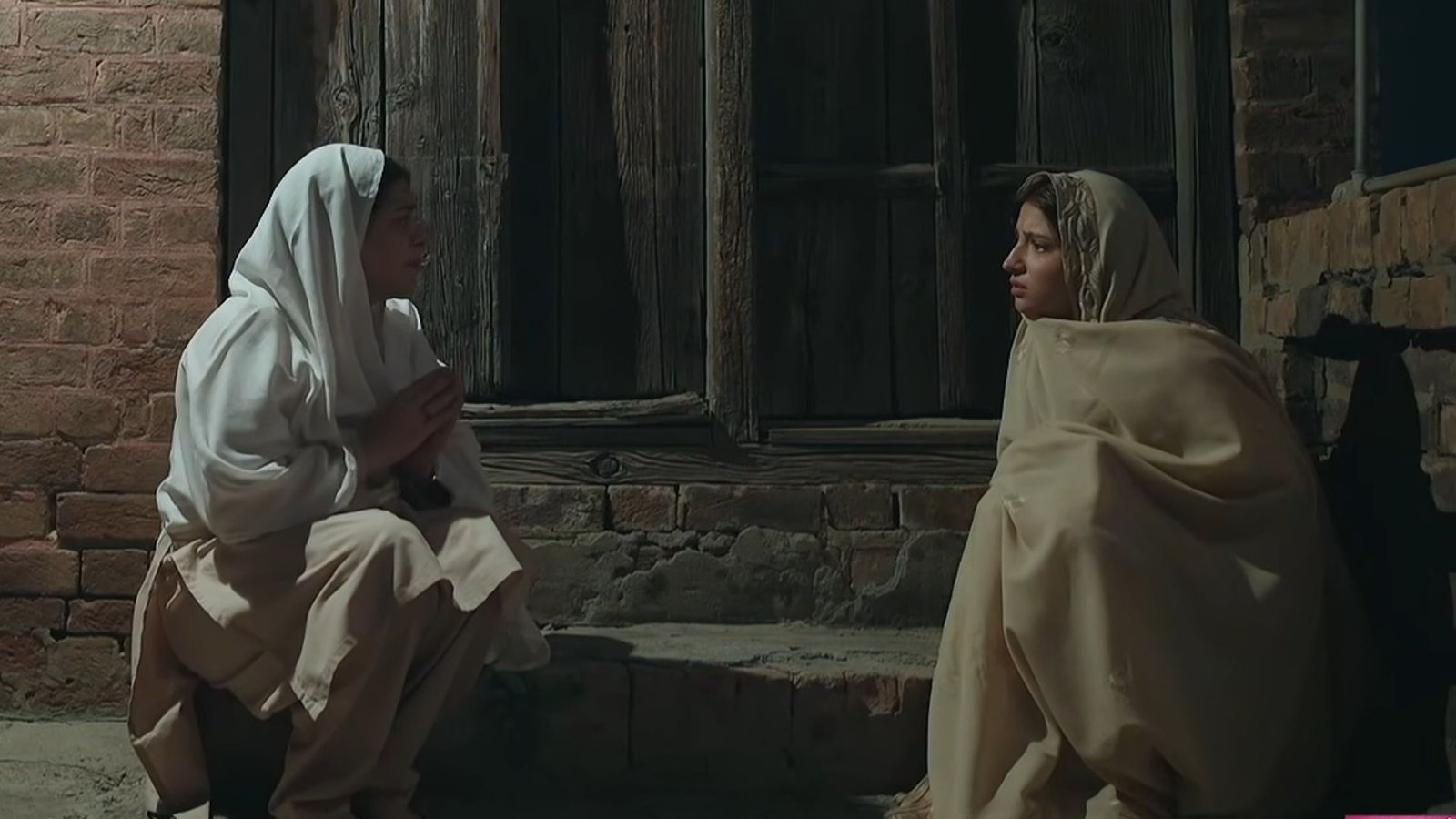
She desperately pleads with Hurmat to marry Tabish (Shahveer Jafry) because her late husband approved. When Hurmat tries to explain Tabish’s controlling nature and unstable mental state, her mother is incapable of processing her daughter’s concerns. Decades of conditioning have erased Nafeesa’s ability to evaluate a partner based on emotional health or safety. To a woman whose survival relied on absolute surrender, Tabish’s red flags do not look like a threat; they look like a guarantee. He represents structure, social acceptance, and the familiarity of male protection.
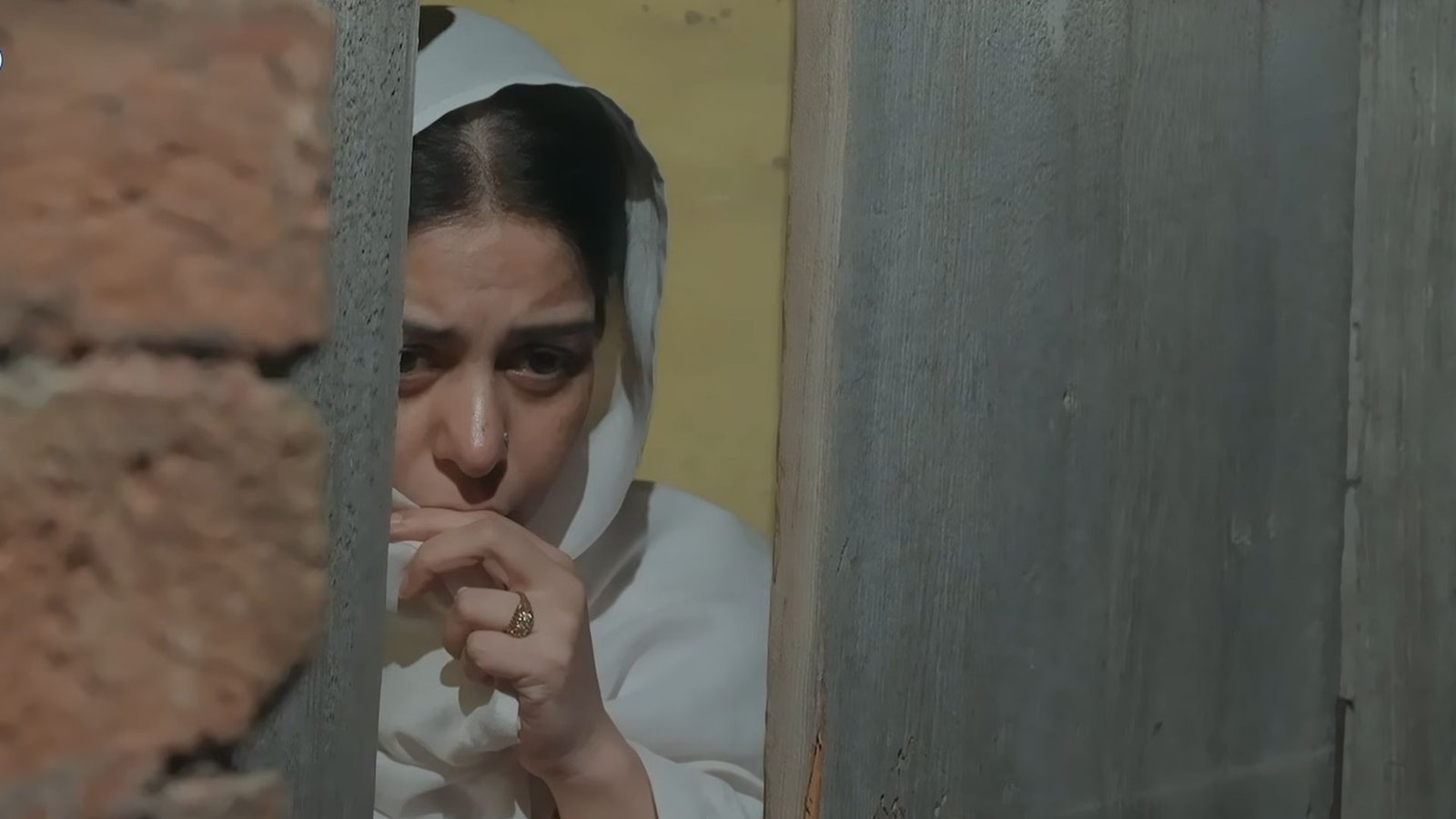
Nafeesa views Hurmat’s newly found independence not as progress, but as dangerous behavior that threatens their fragile future. Her desperate plea for Hurmat to accept the proposal is an attempt to retreat back into a familiar hierarchy. Perceived safety and social convenience far outweigh emotional well-being in Nafeesa’s mind, because trauma has taught her that emotional well-being is an impossible luxury, while submission is a necessity. Even with her husband gone, his ghost continues to make life decisions through a mother who knows no other way to exist.
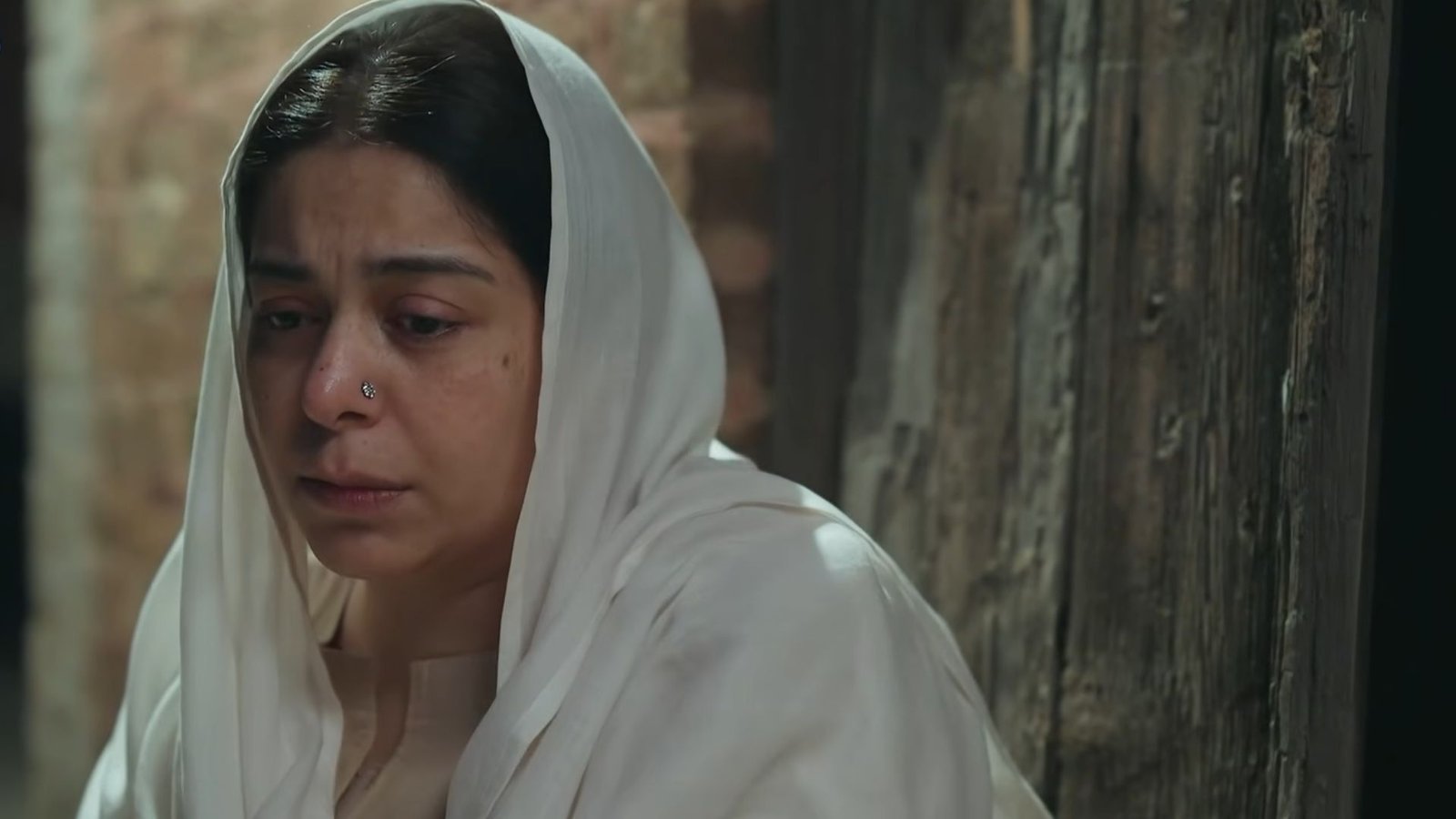
Netizens have also picked up on Nafeesa’s anxious personality as she steps up the stairs to reach out to her daughter. Appreciating how Nafeesa’s anxiety was portrayed in the scene, a netizen took to X and posted:
goosebumps from this scene, so well executed that you can actually feel her anxiety!! it’s heartbreaking how a woman can spend so many years of her life feeling this trapped physically and emotionally even in her own home by someone else’s decision #hurmat https://t.co/SKCR3lEyXK
— julieta (@svaloudi) November 3, 2026
Commenting how Nafeesa whitewashed her husband’s control as safety and protection, a netizen added:
her mother has never seen her husband’s control over her as something wrong. she still believes that everything he did was within his rights 💔, and knowing that there are still so many women out there living the same way makes it even more heartbreaking. #hurmat https://t.co/5eY1faZTgQ
— bee. (@loovluv) November 3, 2026
Pointing out how she continues to plead with her to marry Tabish despite Hurmat calling out his mental condition, a user posted:
++++ i felt a bit of sympathy for her mother, but, what is this ? her own daughter tells her that he is “ mentally ill ” yet she never listens, continuing to plead with her and beg her to marry him ? 🙄💔 #hurmat
— ‘ 🌻 (@ll994_) November 3, 2026