


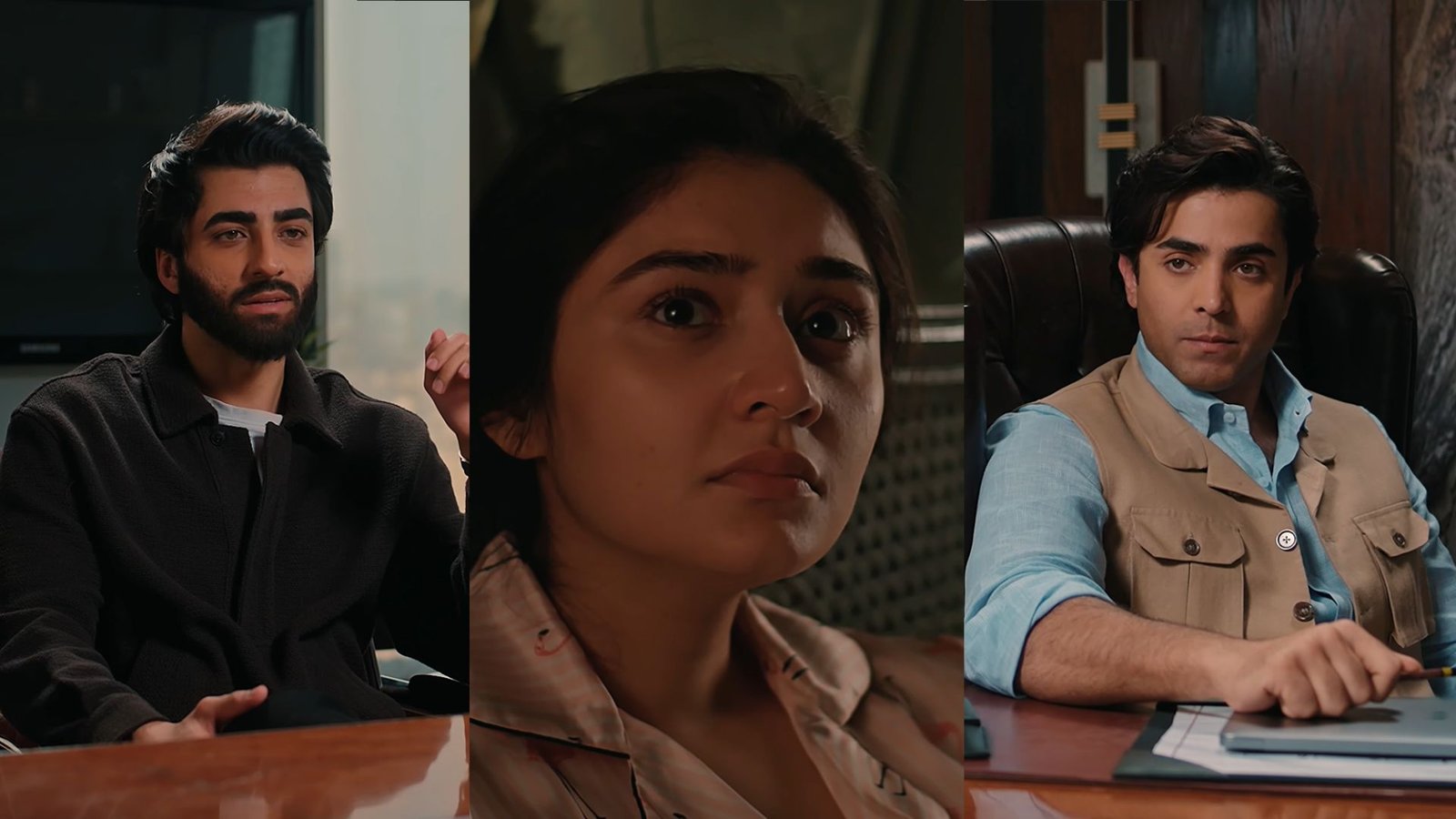
With Dar-e-Nijaat serving up another impeccable weekend rollercoaster, Zamil’s (Nameer Khan) toxic mentality, distorted self-reflection, and urge to dismantle someone else’s prospects of happiness have taken center stage. His bruised ego, because Zaryab (Dur-e-Fishan Saleem) is set to marry Abu Bakr (Sheheryar Munawar), a man he actively reproved, has set the ground for disaster. Hiding his deep-seated insecurities behind a pious facade, he maliciously scatters memories of his past as a deliberate message to Abu Bakr while his wife stands by his side. As he weaponizes religion against the woman he is losing control over, a rightful, fiery confrontation between Zamil and Abu Bakr not only elaborates the polar opposite ideologies the two men hold, but also holds up a mirror to Zamil. It lays bare the reality: he is not a brother in Islam attempting to guide another, but a vengeful narcissist attempting to harm Zaryab and ruin her future.
What makes Zamil’s mentality so thoroughly toxic is not just his hypocrisy, but his insistence that his sudden religious awakening absolves him of human decency. Zamil operates on a convenient double standard built entirely on an inflated savior complex. He treats his own past as a forgotten chapter cleared by spiritual repentance, yet treats Zaryab’s past, a past he actively co-created, as an irredeemable flaw. Wrapped in the aesthetic of a reformed, traditional husband, Zamil expects Zaryab to remain frozen in grief over him. The moment she dares to move forward with Abu Bakr, his fragile ego fractures. Weaponizing private memories and sending them to her fiancé under the guise of a moral duty is the classic maneuver of a controlling ex-partner; if he can no longer possess her, he will attempt to destroy her reputation so no one else can hold her with dignity.
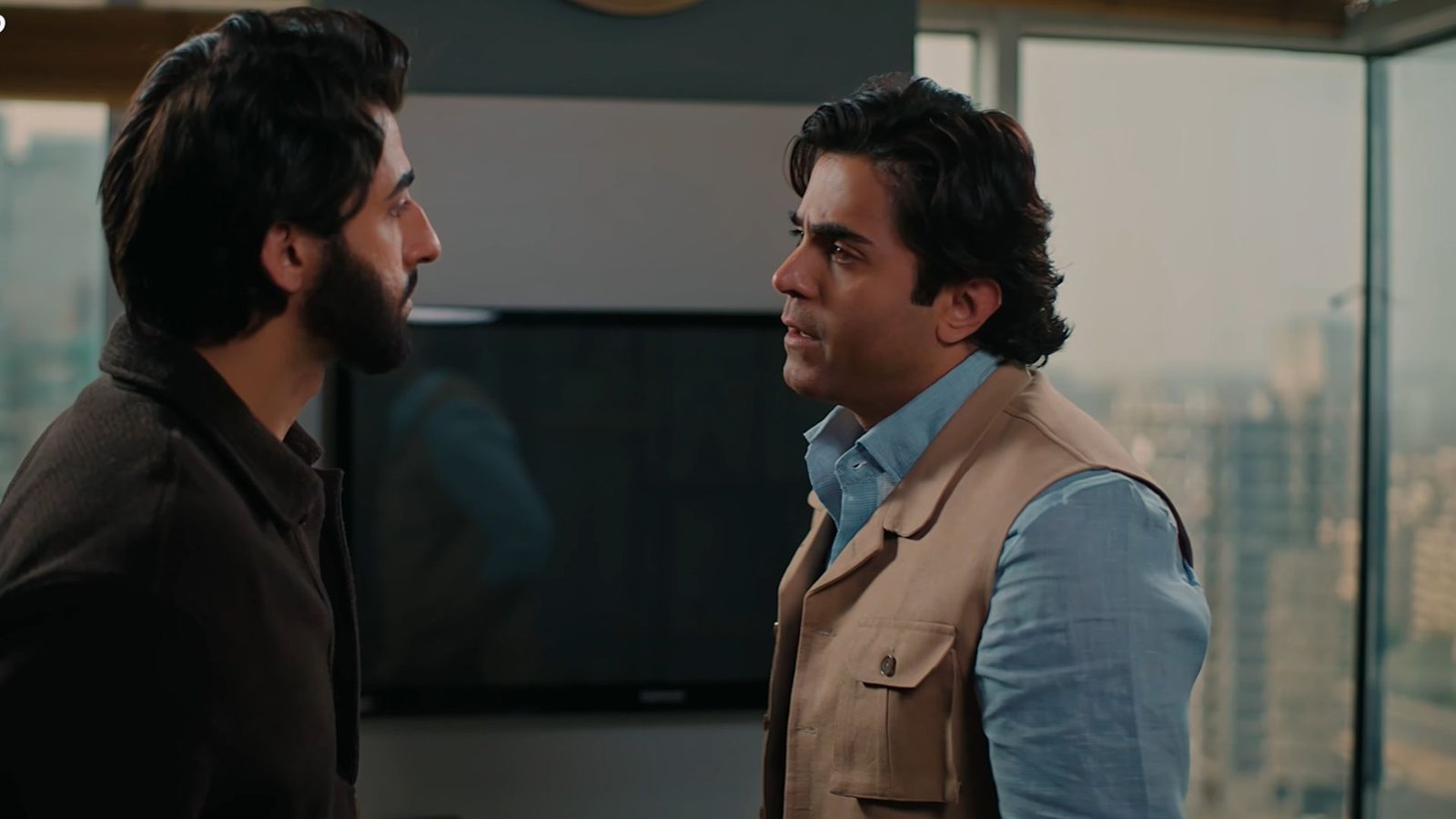
The verbal clash between Abu Bakr and Zamil, however, marks the high point of the racing plot. Zamil enters the conversation expecting a brotherhood bond forged on shared conservatism, hoping Abu Bakr will recoil in disgust at Zaryab’s history. Instead, Abu Bakr completely strips away Zamil’s self-absorbed sense of superiority. To Zamil, faith is a medium to judge, dominate, and preserve personal ego, viewing Zaryab as a trophy or an object to be possessed, tested, or discarded. However, Abu Bakr’s faith is rooted in grace, maturity, and self-restraint; he treats Zaryab as an equal human being deserving respect, growth, and a dignified future.

When Zamil tries to take the moral high ground, Abu Bakr exposes him with precision, highlighting that true spiritual maturity yields humility and protection, not slander. By calling out Zamil’s motives, Abu Bakr makes it clear that Zamil isn’t protecting the sanctity of Islam or marriage; he is lashing out because his ego cannot stomach seeing the woman he discarded find happiness in another man’s life.
Abu Bakr’s decision to hold onto his relationship despite her past disrupts Zamil’s script entirely. By choosing acceptance and reformation over self-righteous judgment, Abu Bakr breaks the hold of superiority Zamil had been wielding over Zaryab.

Though Zamil’s intrusion creates friction and tests Abu Bakr’s personal relationship with his fiancée, it ultimately exposes Zamil’s cowardice. Rather than isolating Zaryab, Zamil’s desperation highlights the stark contrast between a man who uses religion to oppress others and a man who uses faith to practice compassion. To Zamil, Zaryab remains nothing more than a challenge, an object to obtain, control, or ruin. As this battle of ego and honor spills into open conflict, the plot takes a nerve-wracking turn, delivering commentary on how toxic individuals use pseudo-religiosity to hide their bitterness. Zamil may wear the outer garments of a changed man, but as Abu Bakr masterfully demonstrates, no amount of performative piety can conceal his spiteful heart.
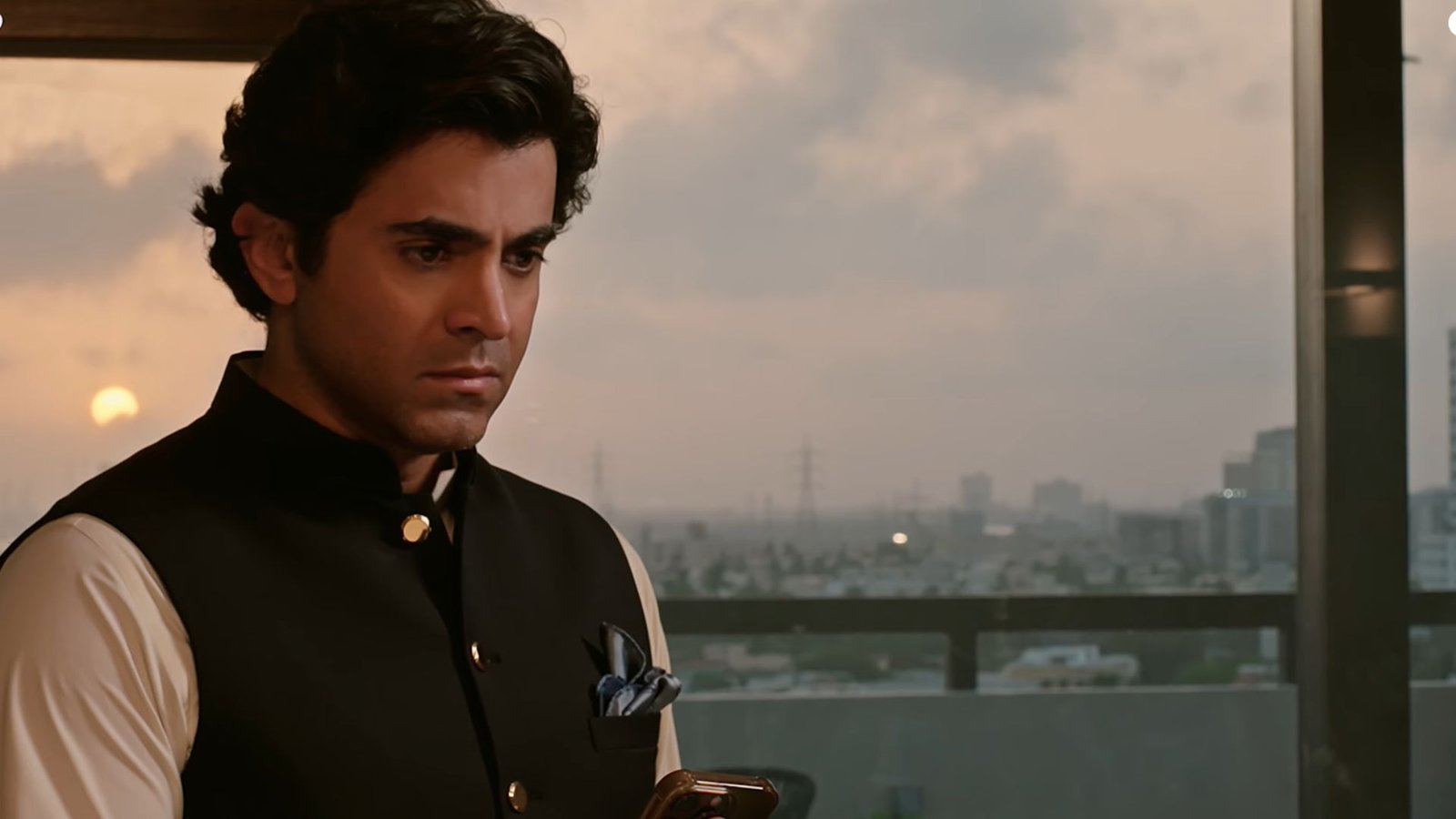
Dar-e-Nijaat viewers too weigh in on Zamil’s personality and his constant urge to control Zaryab and her life, taking to X a user posted:
For men like Zamil , commitments & repercussions do not exist.They have a pathological need for control. It is all about power, superiority driven by an inflated ego. A guy like Zamil is just bad news. Young girls should be made aware of identifying red flags. #DarENijaat pic.twitter.com/GTsBXKWSjr
— UziShi 🤷🏻♀️ (@UzmaRS) September 26, 2026
Pointing out how Zamil blantantly hides behind his view of religion, another user posted:
The detail that stood out in today’s ep of #DareNijaat was how Zamil first acts to satisfy his ego, then finds a religious justification to convince himself he’s doing the right thing. Basically, using religion to give himself a clean chit like many men in our society.
— Justmythoughts (@ShaheerAdil2000) September 26, 2026
Lauding Nameer Khan for making Zamil worthy of hate, a netizen stated:
Take a bow Nameer Khan !!!! Take a bow homeboy !! Absolutely CRUSHING it in this loathsome , completely insufferable character !! Oh dear humanity, Zaamil is every woman’s absolute ugliest nightmare 😞😞#DareNijaat pic.twitter.com/ytGKI6yVd6
— UziShi 🤷🏻♀️ (@UzmaRS) September 26, 2026