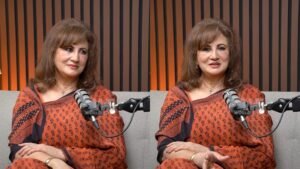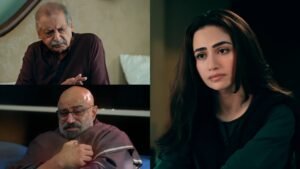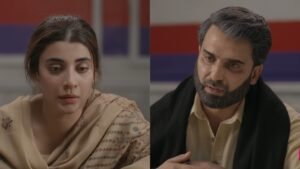


Fierce, fearless and entirely unfiltered: that’s who Saba Qamar is. At a time when television narratives leaned towards predictability, Saba proved why she remains Pakistan’s golden girl by choosing roles that were layered, complex and resilient. From the headstrong Sehar in Case No 9, to the calculated and power-hungry Jahan Ara in Muamma: every drama provoked conversations on female agency, ambition and double standards.
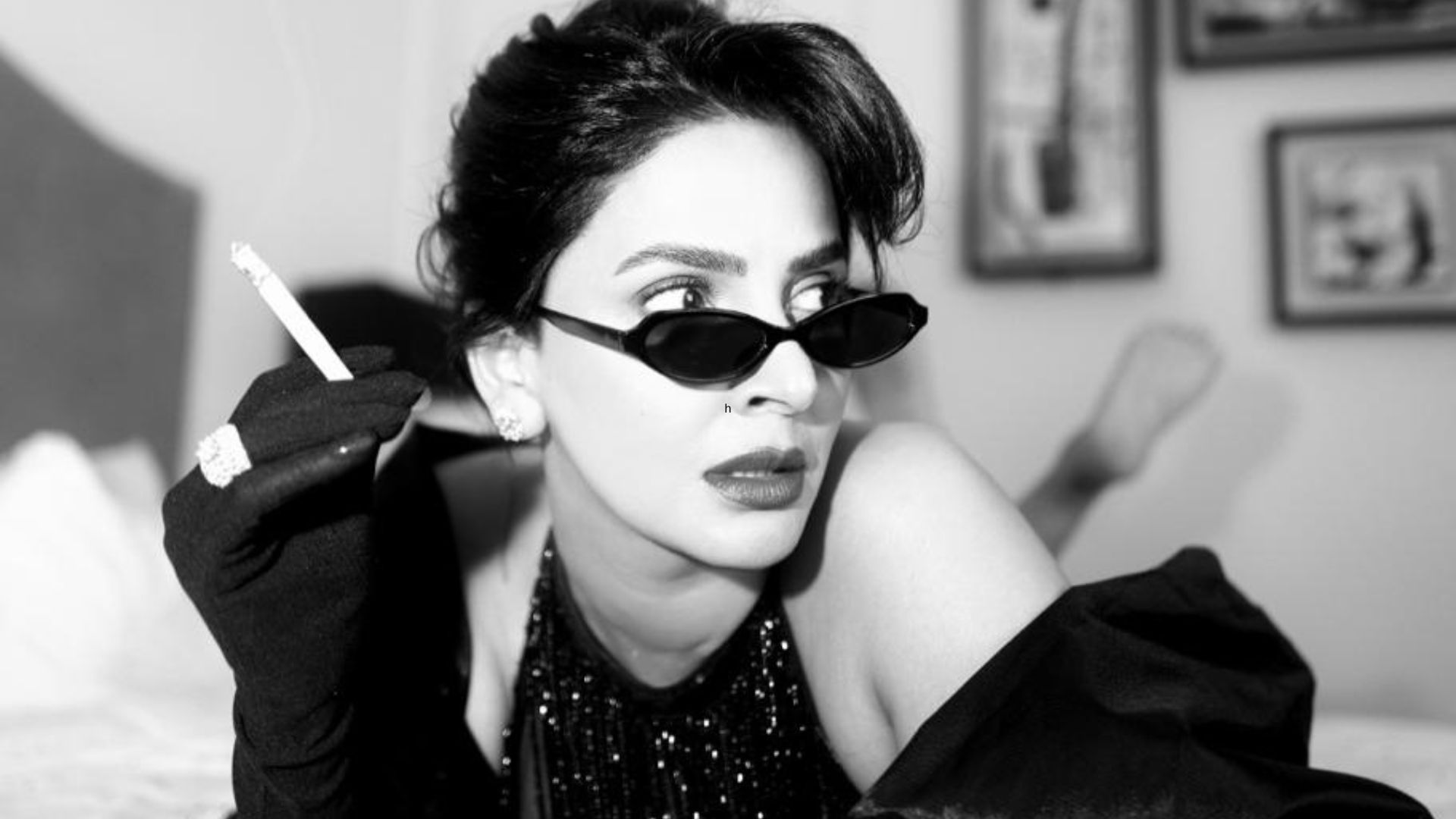
In this candid interview, Niche Lifestyle speaks to Saba Qamar about her year of fearless storytelling, navigating mental health in the public eye and why she will choose characters that will spark conversations rather than comfort
Q. Congratulations on your incredible year, with three projects that truly mesmerised audiences. Each of them explored deeply sensitive and triggering topics, so how did you balance the emotional intensity of these roles while also protecting your mental health?
It’s been an incredible year, but I’d be lying if I said it didn’t take a toll on me. These characters weren’t easy to step into and even harder to step out of. When you’re dealing with such intense, triggering material, it doesn’t just switch off when the camera cuts. Sometimes it stays with you, in your thoughts, in your body, in ways you don’t expect. I’m still figuring out how to fully detach, to be honest. It’s a process. There are days when I feel like myself again, and then there are moments when the emotions of a character quietly creep back in. And instead of ignoring that, I’ve chosen to face it properly.
That’s why I’ve started therapy because I think it’s important to acknowledge that this work can affect you, and there’s no shame in needing help to navigate it. If anything it’s made me more aware of my boundaries and my mental health. I think as actors, we often talk about giving everything to a role but we don’t talk enough about what it takes to come back from that. I’m learning that it’s just as important to return to yourself as it is to disappear into a character.
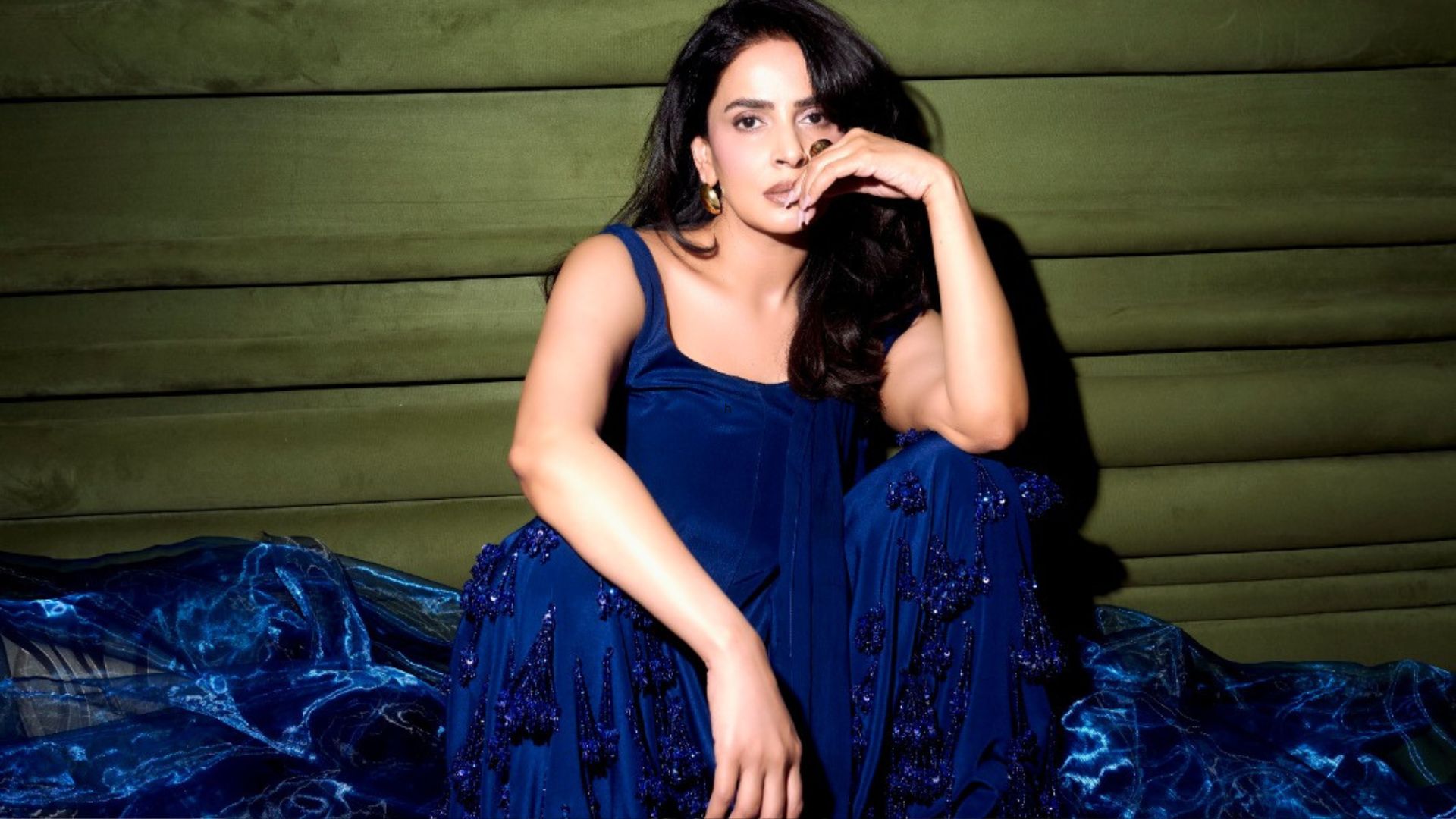
Q. When Muamma debuted on screen, Jahan Ara was widely loved for her bold and fierce personality, but also criticized for those very traits. How would you respond to critics who viewed her in a negative light
I think it’s completely valid for people to have different reactions, and I actually see that as a positive thing. Jahan Ara was a strong, bold character, and not everyone is used to seeing women portrayed in that way on screen. For those who viewed her negatively, I’d say I respect their perspective but I’d also gently invite them to look at her with a bit more empathy. She was fierce, yes but that strength came from her circumstances, her experiences, and her need to survive and stand her ground. At the end of the day, I’m grateful that she sparked such strong responses. Whether people loved her or questioned her, it means the character made an impact and that, as an actor, is something truly meaningful.
Q.There were mixed reactions to Muamma’s ending, with some fans feeling that Jahan Ara deserved a more satisfying conclusion. Do you agree with that perspective, or do you see her ending differently?
I can completely understand why some people felt that Jahan Ara deserved a more satisfying ending. When you connect with a character so deeply, you naturally want to see them find a sense of peace or happiness in the end. For me, I don’t see it as right or wrong it’s really about perspective. The ending may not have been what everyone hoped for, but I think it stayed honest to her journey and the world she was part of. Sometimes stories don’t give us perfect closure, and that can feel a bit incomplete.
At the same time, I truly value how much people cared about her—that itself means a lot. If the ending left people thinking, feeling, or even wishing for more for her, then it shows how strongly they connected with her story.
Q. You’ve been open about overcoming health challenges. Has your personal journey influenced the types of projects you choose to take on?
Yes, it has… perhaps more deeply than I sometimes realize myself. Going through health challenges changes your relationship with time, with your body, and with your sense of purpose. It makes you more aware of what truly matters and what you want to invest your energy in. Because of that I feel more drawn to stories that carry emotional truth characters who struggle, heal, grow, or simply endure. There’s a certain honesty I look for now, something that resonates on a human level rather than just existing on the surface. It’s less about how a role appears, and more about what it makes people feel.
At the same time, the journey has also taught me gentleness… with myself and with my choices. I don’t feel the need to prove something constantly. I want to work from a place of meaning, but also from a place of balance and respect for my well being. So yes, it has influenced me but in a way that’s more internal. It’s shaped how I connect to my work, and why I choose to tell certain stories.
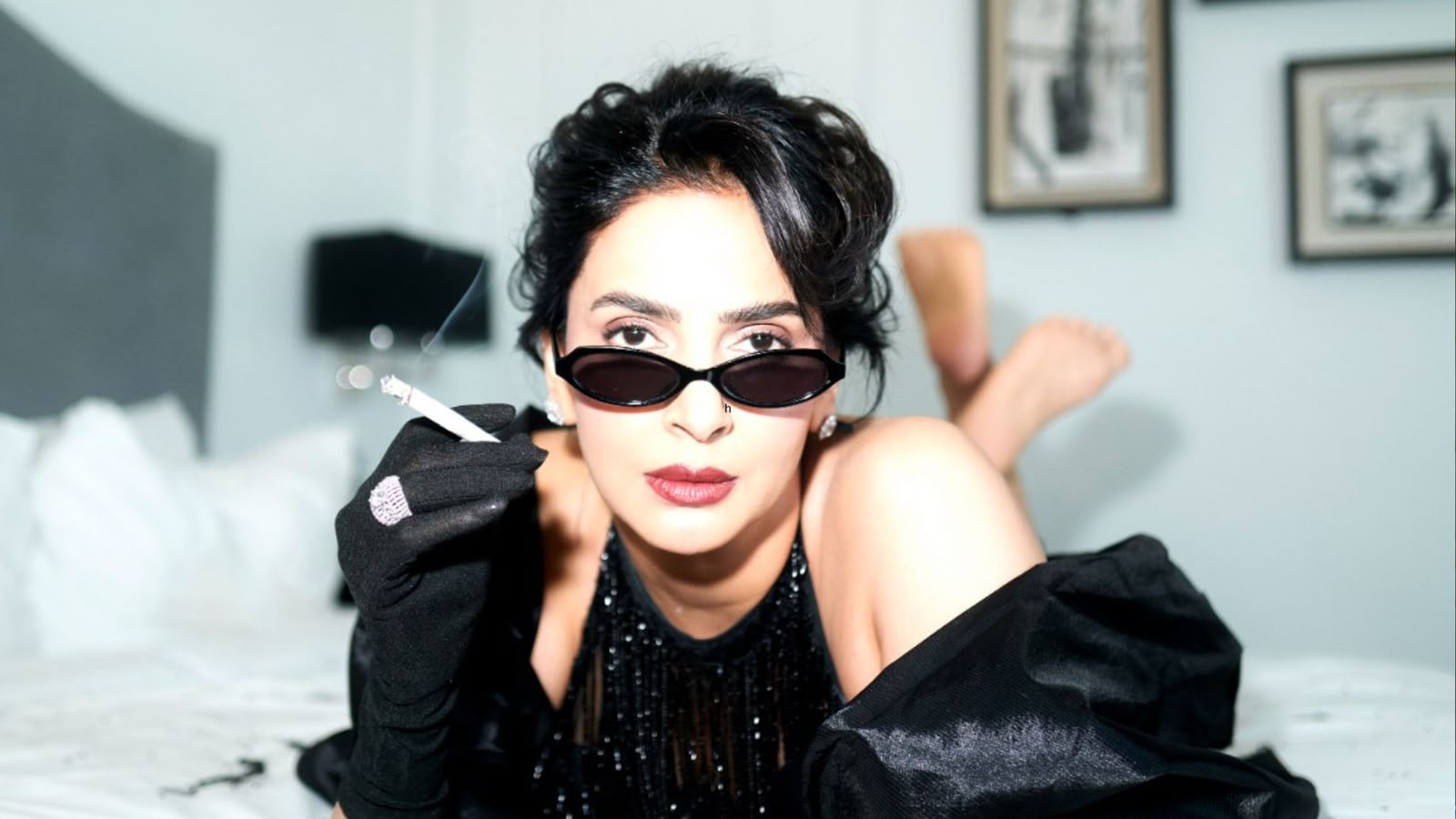
Q. Questions about your marriage plans come up frequently. How do you navigate that pressure and maintain boundaries around your personal life?
I understand that the curiosity comes from a place of love and genuine interest, and I’m grateful for that. At the same time, I believe some parts of life are deeply personal and deserve a certain level of privacy. I try to navigate it with respect… acknowledging people’s questions without feeling the need to share more than I’m comfortable with. For me it’s about maintaining a healthy balance between my public work and my private life.
I’ve also learned that it’s okay to set gentle boundaries. When the time feels right, I’m sure I’ll share what I’m happy to but until then I prefer to focus on my work and the things I can openly give to my audience.
Q. When Pamaal began airing, it sparked widespread conversations surrounding toxic relationships and financial abuse. Did you ever encounter fans who opened up about experiences that resonated with Malika?
Yes, quite a few and those conversations have stayed with me. People would share their own experiences very openly, sometimes for the first time, and it was both humbling and heavy to listen to. In those moments, I try to respond with empathy rather than advice, because everyone’s situation is so personal and complex but it did make me realize how real these issues are, and how many people quietly go through them. If anything, it reinforced for me that stories like Pamaal matter. Even if it simply helps someone feel seen or understood, that in itself is meaningful. And when people trust you enough to share something so personal, you carry that with a lot of respect and care.
Q 7. Case No. 9 marked a reunion between you and Aaminah Sheikh. How did your existing bond shape your approach to portraying such a heavy narrative about a survivor seeking justice within a complex legal system?
Reuniting with Aaminah didn’t feel like starting from scratch, it felt like picking up from a place of trust we’ve already built over the years. And for a story this heavy, that really matters. There are scenes where you’re emotionally exposed, and you can’t fake that. Knowing she’s there, fully present and equally invested, made it easier to go to those uncomfortable, vulnerable places without holding back. We also had a lot of honest conversations off camera about the weight of the subject, about how real these experiences are for so many women, and how important it was to not turn it into something dramatic for the sake of it. We were very careful about the silences, the hesitation, the internal conflict because that’s often where the truth lies.
Our bond helped us stay grounded. If something felt too performative or forced, we’d call it out. There was no ego on set, just a shared understanding that we’re telling someone’s truth, not just playing parts. And I think that honesty naturally finds its way into the performance.
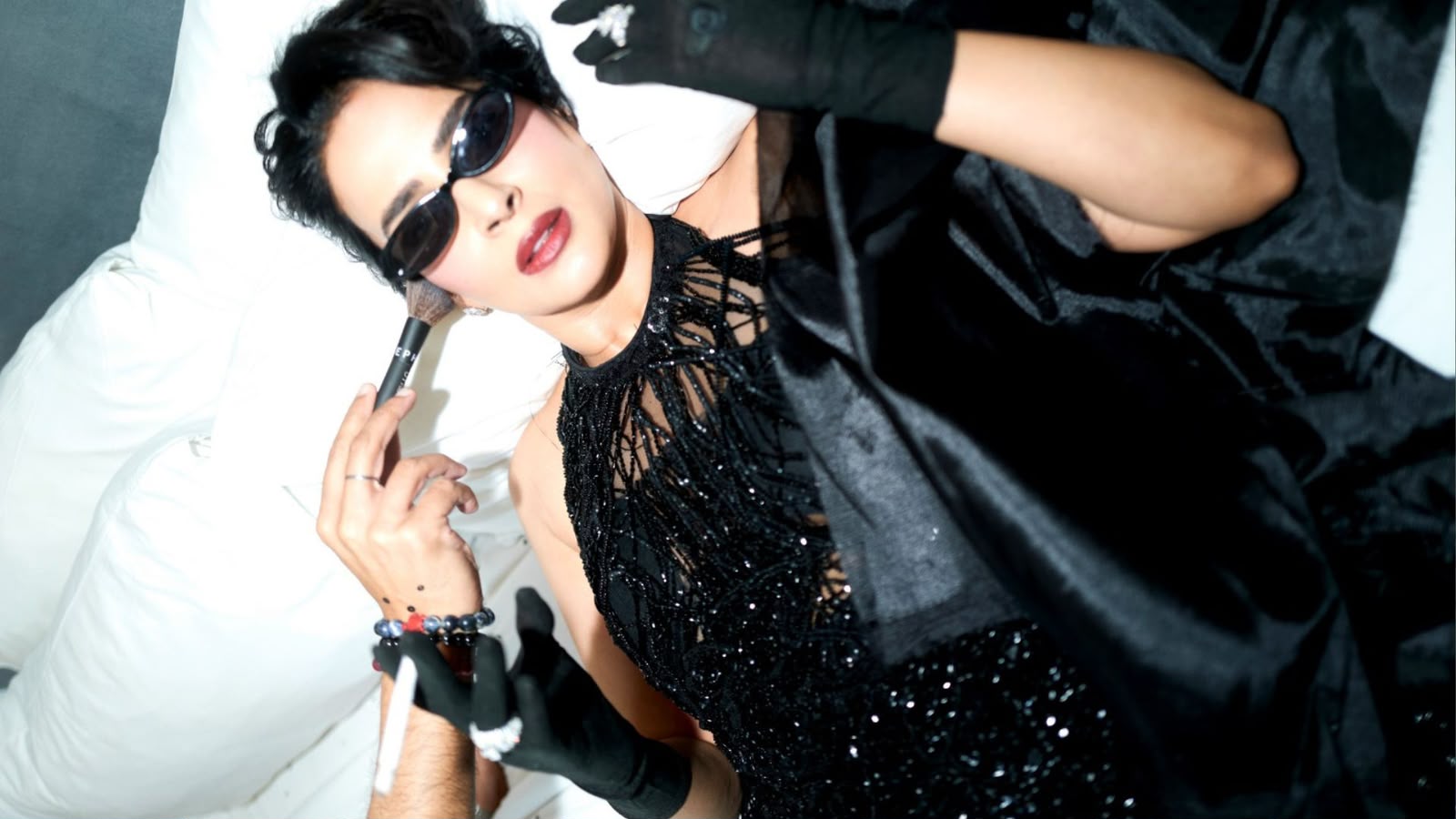
Q. You have reined over the drama industry with bold, conversation-starting roles and portraying strong, unconventional women. Do you see any younger actor today who could carry that legacy forward?
I genuinely feel very emotional when I see the new generation coming in with so much courage and honesty. It reminds me of my own journey the risks, the fear of being misunderstood, and the constant need to push boundaries just to tell stories that matter.
Sehar Khan is someone I really notice. There’s a softness in her, but also a quiet fire that comes through in her work. It’s not loud or attention seeking it’s very internal, very real. And I think that’s where true strength lies. You can’t teach that kind of presence it comes from within. For me legacy was never about being remembered it was about opening doors, even if it came at a cost. So when I see someone like Sehar, I feel a sense of relief… like maybe those doors will stay open. And more importantly, they’ll walk through them in their own way, with their own voice, and take these stories even further than we ever could.
Q 9. What is one essential advice you would give to any newcomer actor?
One thing I would say to any newcomer is don’t rush to be seen focus on becoming real. It’s very easy to get caught up in visibility, in chasing fame or validation, but longevity comes from honesty in your craft. Spend time understanding people, observing life, and working on your emotional depth. That’s what truly reflects on screen. And at the same time, learn the value of time. This industry teaches you very quickly that time is everything yet so many people waste it, either waiting for the “perfect moment” or not respecting other people’s time on set. If you’re serious about your work, be disciplined. Show up prepared, be present, and don’t take opportunities for granted.
Also, be patient with your journey this industry can test you in ways you don’t expect, and not every opportunity will align with who you are. Learn to say no when something doesn’t feel right.
And most importantly, protect your individuality. The moment you start trying to fit into what everyone else is doing, you lose the very thing that could set you apart.