



From its opening frames, Mitti De Baway takes a clear shot at the core: a story driven by inevitable tragedy. Instead of taking the traditional route of building up to a late twist, the drama opens by revealing Iqbal’s (Wahaj Ali) ultimate fate right at the start. With the male lead dead within 12 minutes of the premiere, it comes as a shock, engaging the audience in the debate of what led to this awful death. It shifts the tension of the drama serial as it is no longer about what happens in the end, but how a humble, soft-spoken shop owner descends into a life of crime and why Bilqees (Mahira Khan) would only rest after his death.
Set against the dusty backdrop of 1990s Faisalabad, the plot hooks viewers immediately when fate brings the former lovers to the same neighborhood. Catching sight of Bilqees from a distance, Iqbal is swept back into memory, humming old melodies as he recalls the playful innocence of their shared past. Adding to the dramatic plot, the accurate depiction of the era- whether it is the neighborhood, cars, or the political setting- Mitti De Baway takes detail into account. This emotional friction gets its weight from the drama’s atmosphere and storytelling; the 1990s setting isn’t just a gimmick; it adds a real sense of isolation and intensity to the looming feud. The show also weaves traditional Punjabi folk music directly into its framework. The soundtrack feels like an echo of ancient folklore, capturing the longing, overwhelming grief, and heavy silences that the characters can’t bring themselves to say out loud.
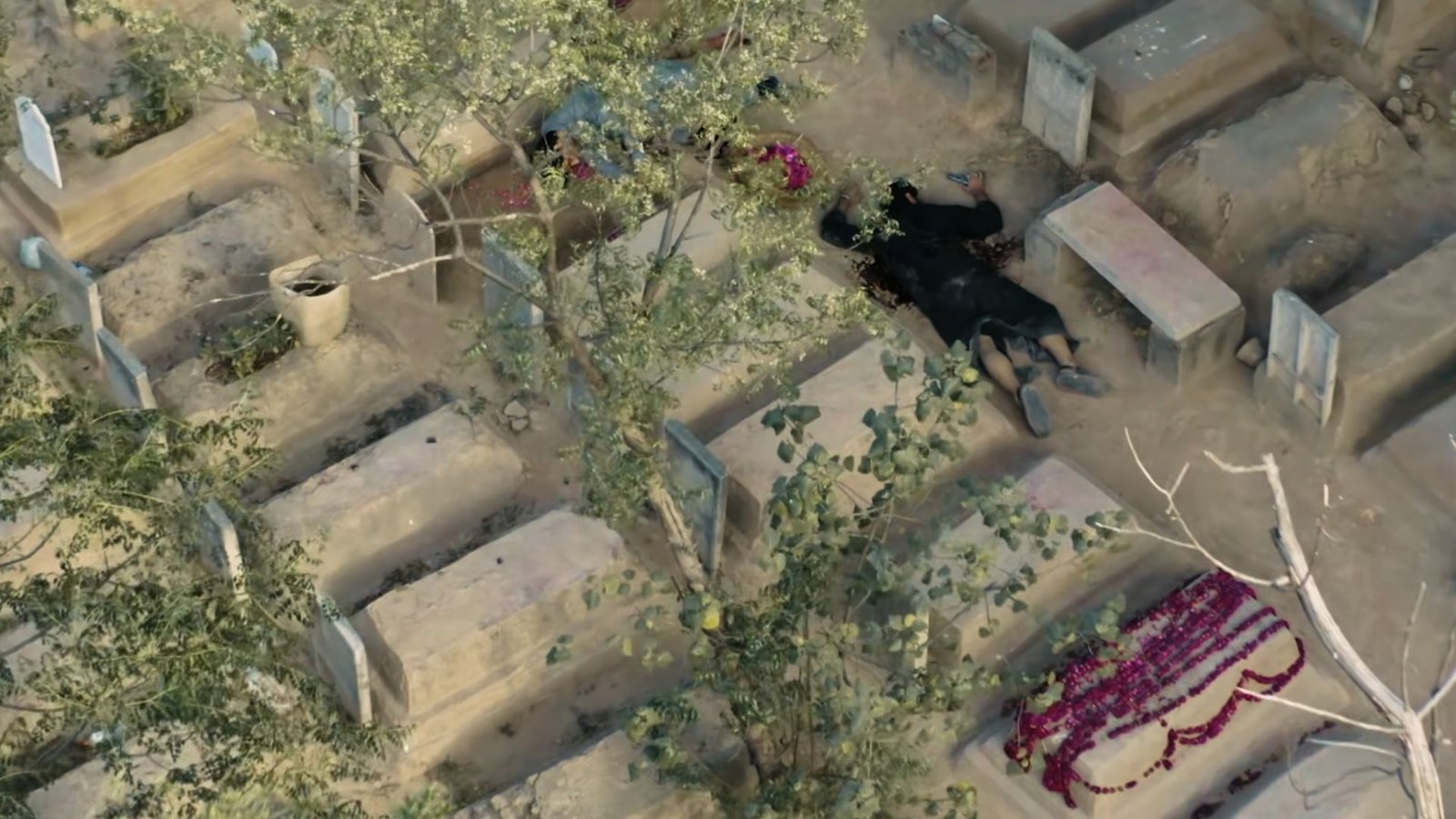
A fantastic supporting cast strengthens the story, bringing real warmth and friction to the family dynamics. Ejaz (Mubashir Mehmood) stands out as Iqbal’s steadfast brother and ultimate anchor. Ejaz shares Iqbal’s tragic end, showing a brotherly bond so deep that it holds them together through life and death. His wife, Zareena (Amar Khan), is a doting wife who struggles to find a partner’s love, and his unmarried older sister, Fazeelat (Uzma Hassan), carries the stains of the past more than anticipated. On the other side stands Bilqees’s husband, Nazeer (Junaid Khan), who brings a quiet, gentle presence to the screen while still holding his ground as the family patriarch. He offers a sense of sanity and stability just as this turbulent past starts bubbling to the surface.
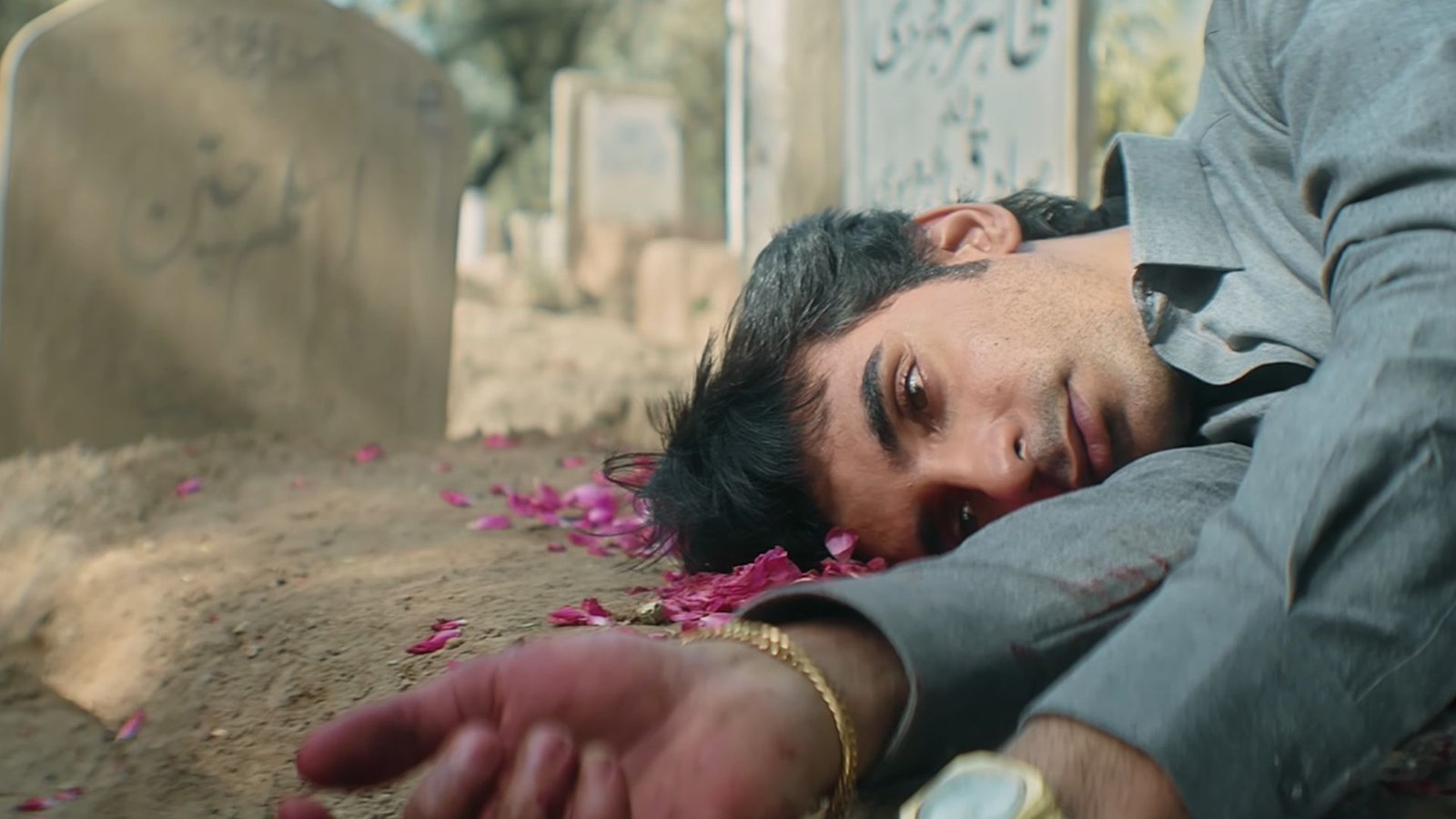
As the folklore echoes and family ties tighten, the story moves steadily toward a dangerous collision. While Iqbal stays trapped in lingering affection, the setup makes it obvious that this encounter won’t stay quiet for long. As old grievances resurface, the rising tension promises to drag both innocent households into a violent, generational feud.

At its core, Mitti De Baway is a compelling look at how unresolved pain can warp devotion into complete destruction. With deliberate pacing, thematic roots, and brilliant performances, it crafts a world where past choices dictate present ruin, leaving little room for redemption as two families march toward an inescapable fate.