

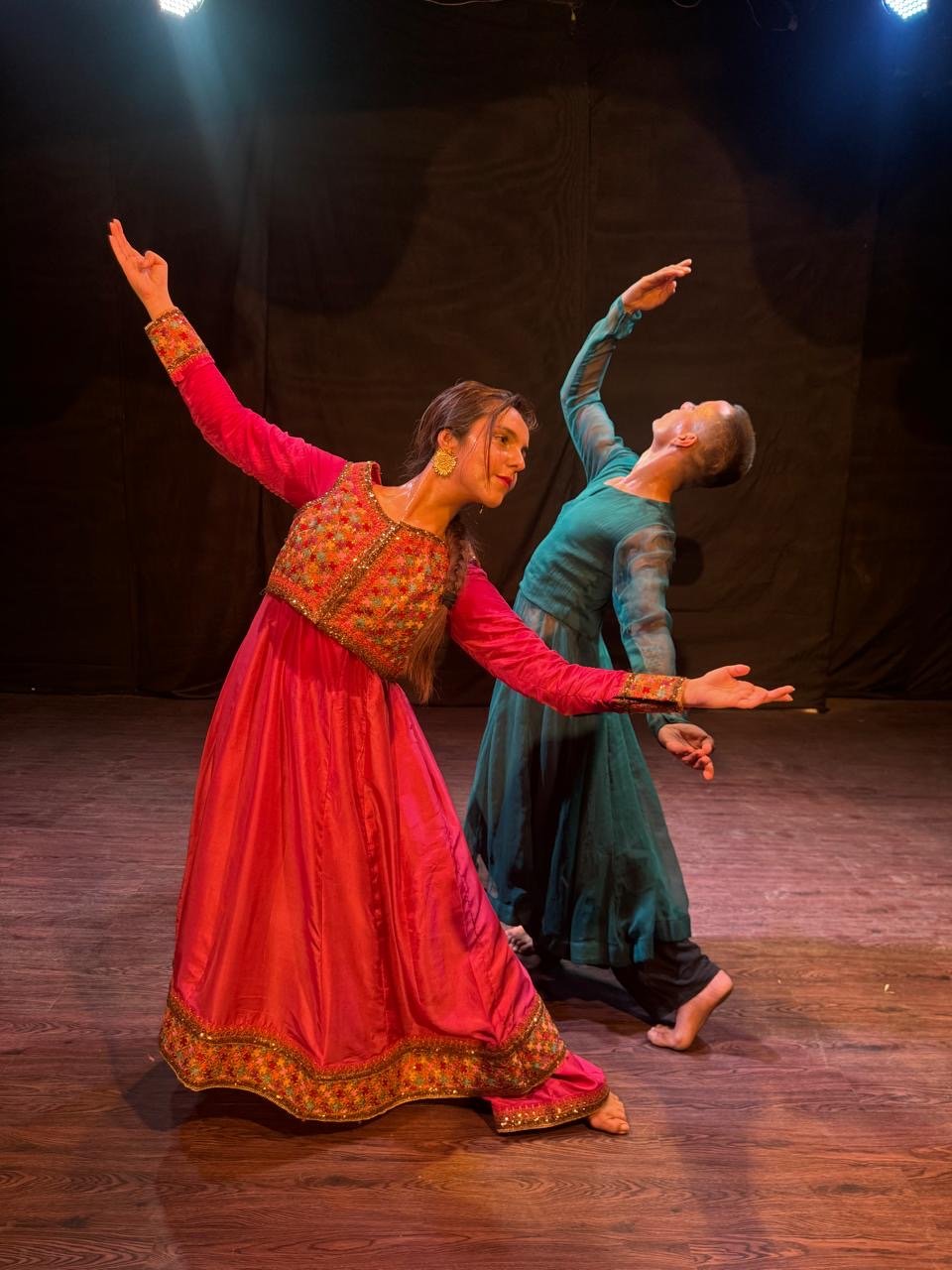
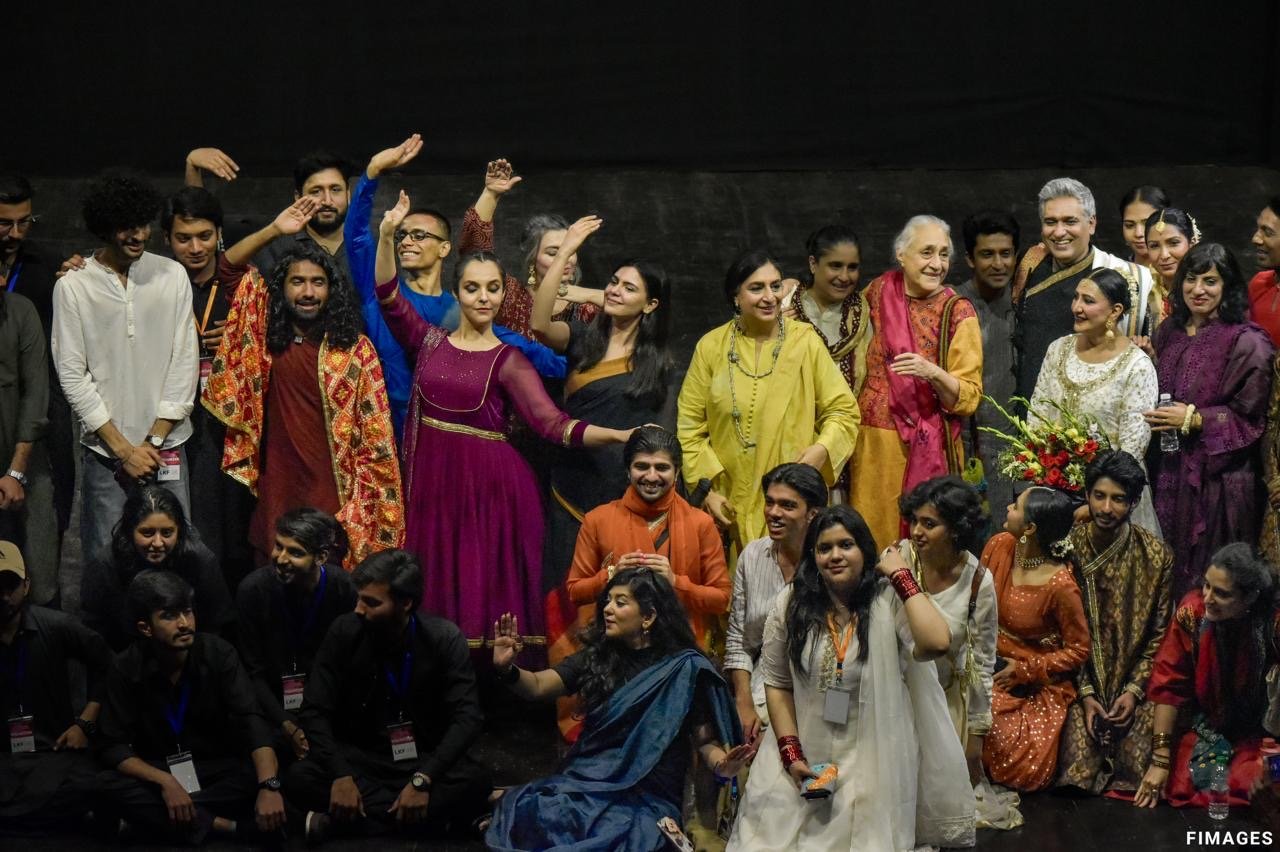
In a city shaped by music, literature, and performance, the Lahore Kathak Festival arrived as a timely reminder that classical dance is not simply part of the past, but a living practice with space to grow. Founded by Maan Sayeed and co-founder Momina Farooq Khan, the festival brought together senior practitioners, emerging dancers, students, and first-time audiences through performances, workshops, and conversations around Kathak and South Asian classical arts. In this conversation with Niche Lifestyle, the founders reflect on the festival’s vision, response, and future.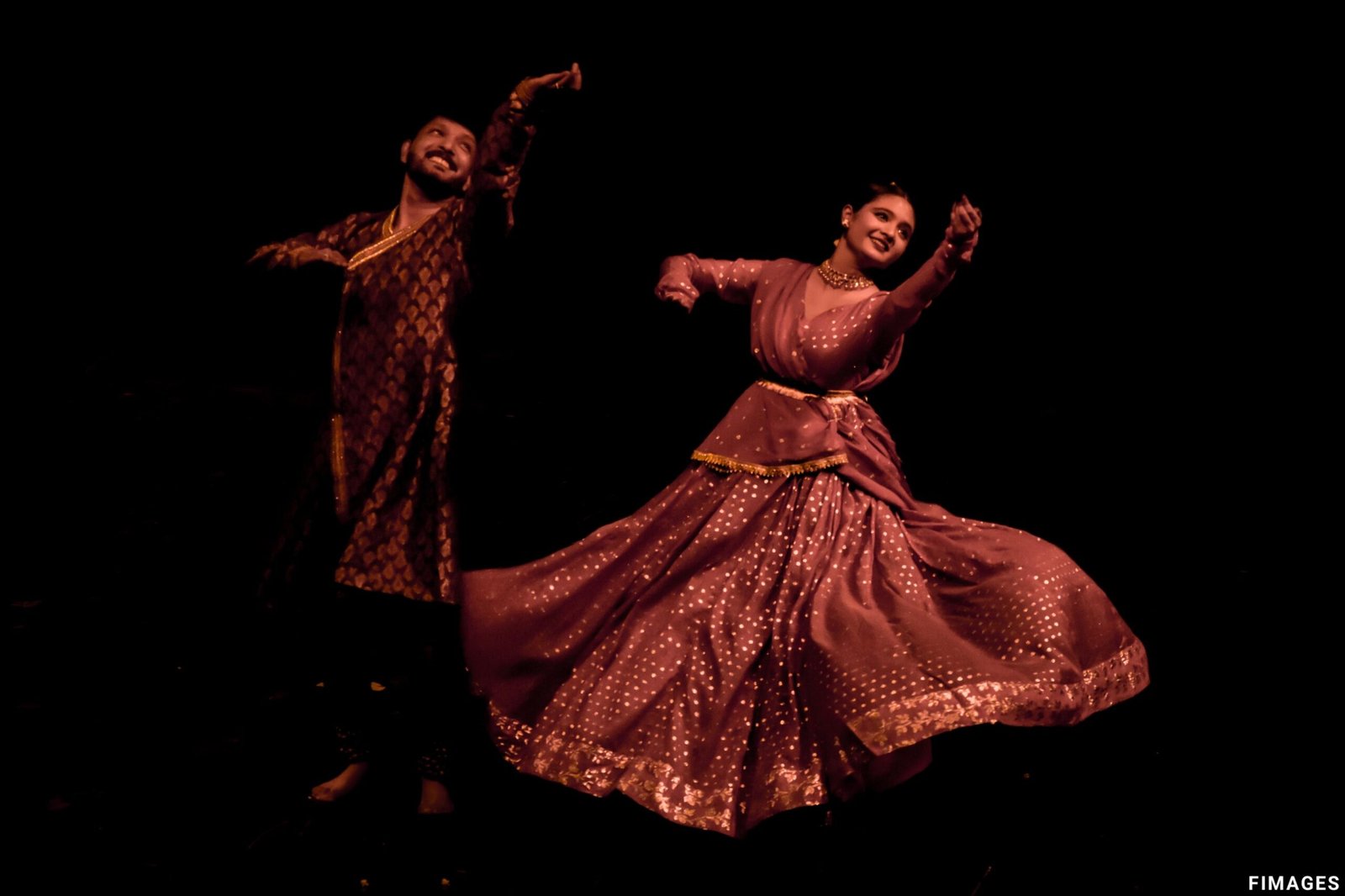
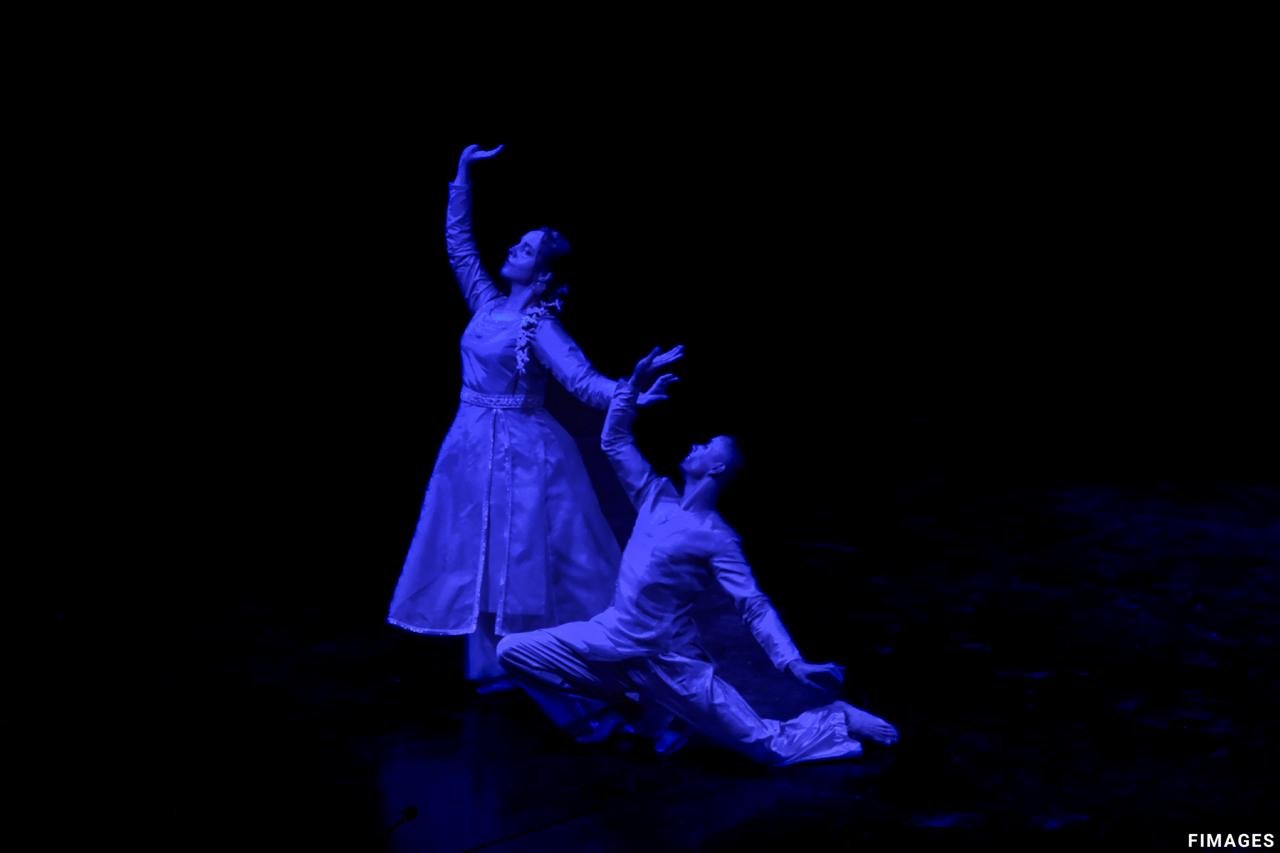
1. The Lahore Kathak Festival brought together artists, students, and audiences from different backgrounds. Looking back, what moments stood out to you both as the most meaningful or unexpected?
Maan Sayeed:
One of the most meaningful aspects of the Lahore Kathak Festival was seeing artists at different stages of their journeys share the same platform. There were dancers performing for the first time alongside artists who have spent decades on stage. What stood out most was the generosity in the room. Senior artists attended workshops led by younger artists, and everyone was eager to learn from and encourage one another. It felt like a community coming together through a shared love for Kathak.
Momina Farooq Khan:
For me, it was deeply rewarding to see people from varied backgrounds engage with Kathak as a living, evolving art form. Students, artists, families, and first-time audience members were all sharing the same space and responding with genuine enthusiasm. Accessibility was central to the festival, which is why we kept ticket prices to a minimum. Classical arts are often perceived as belonging to a particular social class, and we wanted to challenge that by creating a space where everyone felt welcome.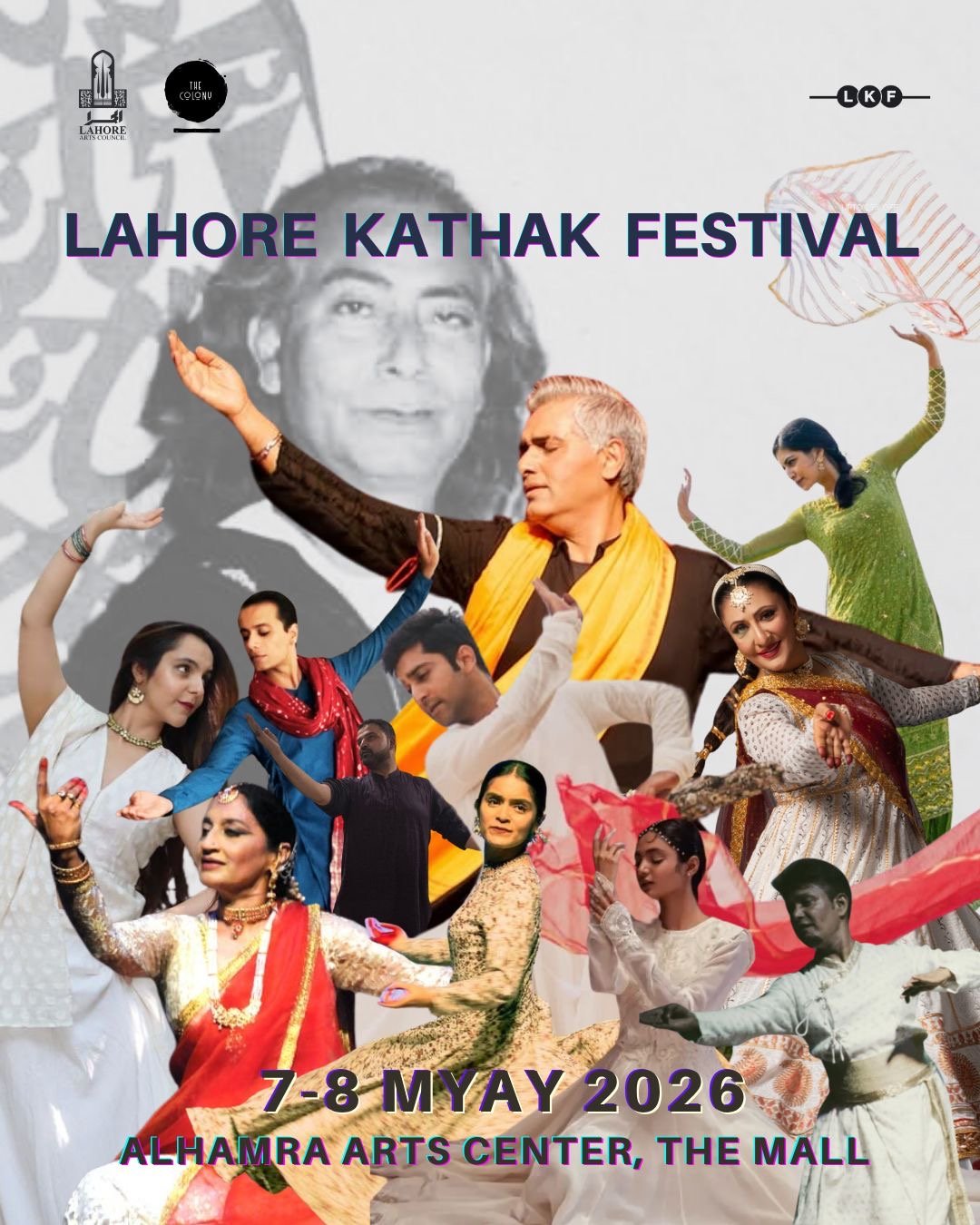
2. What inspired you to create the Lahore Kathak Festival, and what gap in Pakistan’s cultural landscape were you hoping to address through this initiative?
Maan Sayeed:
I created the Lahore Kathak Festival to challenge the misconception that Kathak and classical dance are fading in Pakistan. While there are challenges, that view overlooks the many young dancers who are dedicating themselves to learning, practising, and preserving these traditions. I felt there was a need for a platform that gives emerging artists visibility and recognition. Opportunities are often limited to established names, while younger dancers remain unseen. The festival was created to celebrate both senior and emerging artists, and to show that the next generation is actively carrying Kathak forward.
Momina Farooq Khan:
My inspiration came from years of teaching in schools and universities across Lahore, from LGS and Learning Alliance to Beaconhouse National University. I realized that many young people had little exposure to South Asian classical arts, despite their cultural significance. Two years ago, I began inviting senior practitioners, including Sheema Kermani, to conduct demonstrations and workshops for students. Through this work, it became clear that there was a need for a larger platform dedicated to classical performance. When I met Maan, who had a similar vision, the collabouration felt natural.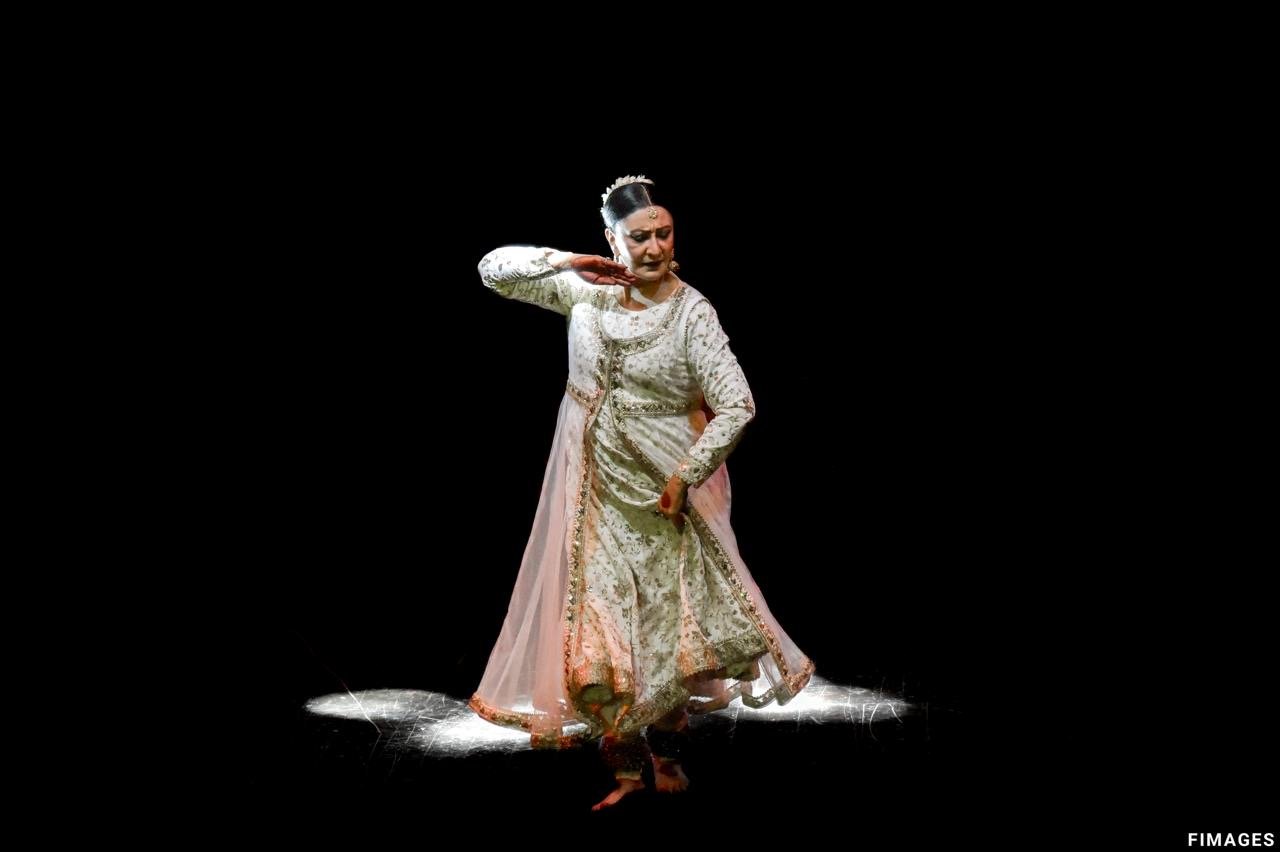
3. Classical dance is often perceived as a niche art form. How do you both respond to the idea that traditions like Kathak are becoming less relevant in today’s fast-paced digital world?
Maan Sayeed:
I do not believe Kathak is becoming less relevant. The challenge is not the art form itself, but how we choose to use it. Kathak has a rich vocabulary and a powerful storytelling tradition that can speak to contemporary experiences just as effectively as it has conveyed traditional narratives for centuries. As artists, we need to use this language to engage with modern-day stories, emotions, and realities. When classical forms are allowed to evolve, they remain deeply meaningful to new audiences.
Momina Farooq Khan:
I do not think Kathak itself is becoming less relevant; what is changing is our relationship with learning. Classical arts require patience, discipline, and a long-term commitment to knowledge, qualities that are increasingly challenged by the pace of digital culture. What we risk losing is not the art form, but the process through which deep learning takes place. At the same time, classical arts need greater visibility in popular culture. During the 1970s, artists like Nahid Siddiqui had a presence on national television, making Kathak familiar to wider audiences. That kind of cultural representation remains important today.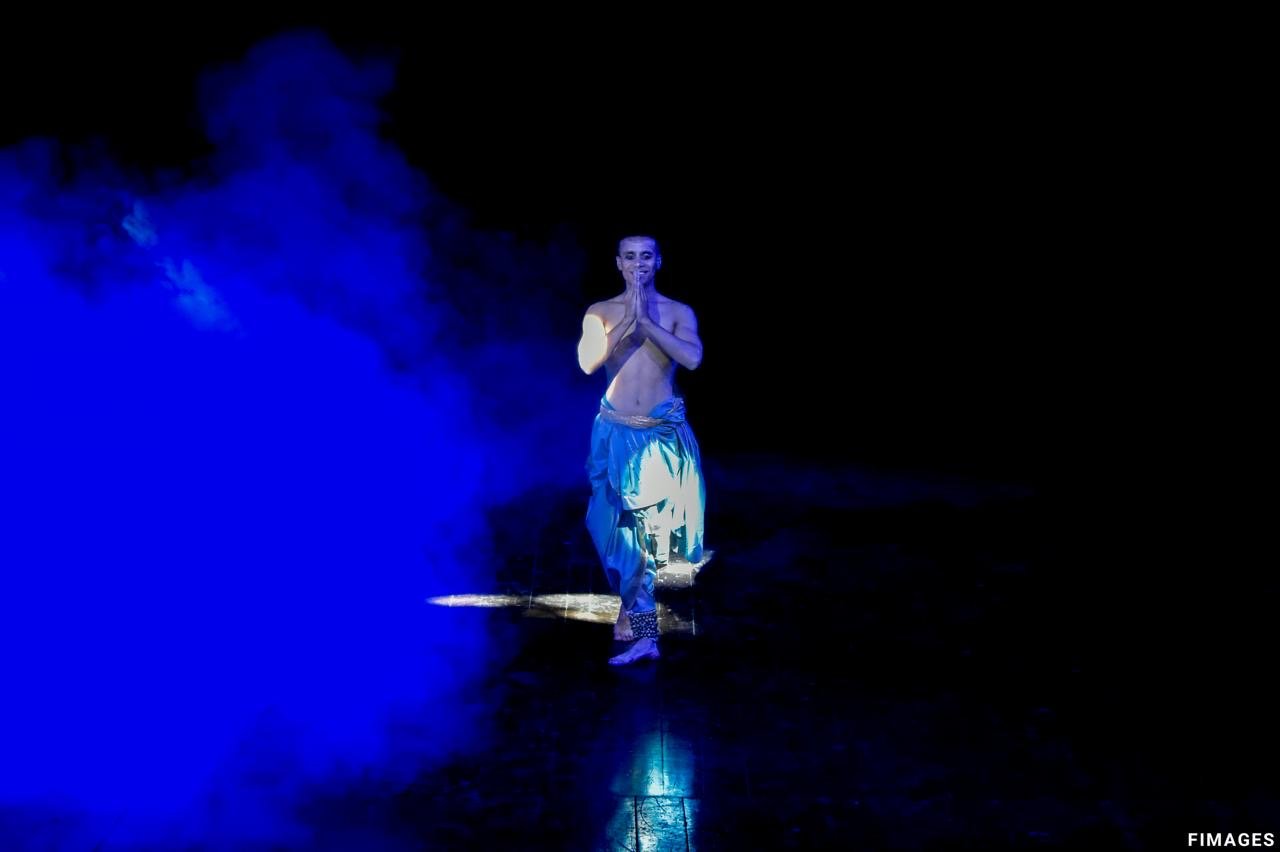
4. As founders and cultural practitioners, how do your respective roles complement one another in shaping the vision and direction of the festival?
Maan Sayeed:
Our strengths complement each other well. Momina is exceptional at building relationships, bringing people together, and nurturing a sense of community, while I focus more on planning, organisation, and execution. We share the same vision, but approach it from different angles, and that balance helps us create a festival that is both artist-centred and well-organised.
Momina Farooq Khan:
My work as a Kathak dancer, theatre practitioner, and educator has always been driven by a desire to create spaces where people can learn about, experience, and engage with South Asian classical performing arts. The festival emerged from a shared belief that these traditions need stronger platforms for performance, education, and dialogue. While Lahore hosts festivals for music and contemporary arts, there has been no dedicated festival celebrating South Asian classical dance. Beyond performances, we wanted to encourage a deeper understanding of the history, aesthetics, and discipline behind these forms. Classical arts should be experienced as living, communal, and professional art forms that continue to evolve through practice, discussion, and innovation.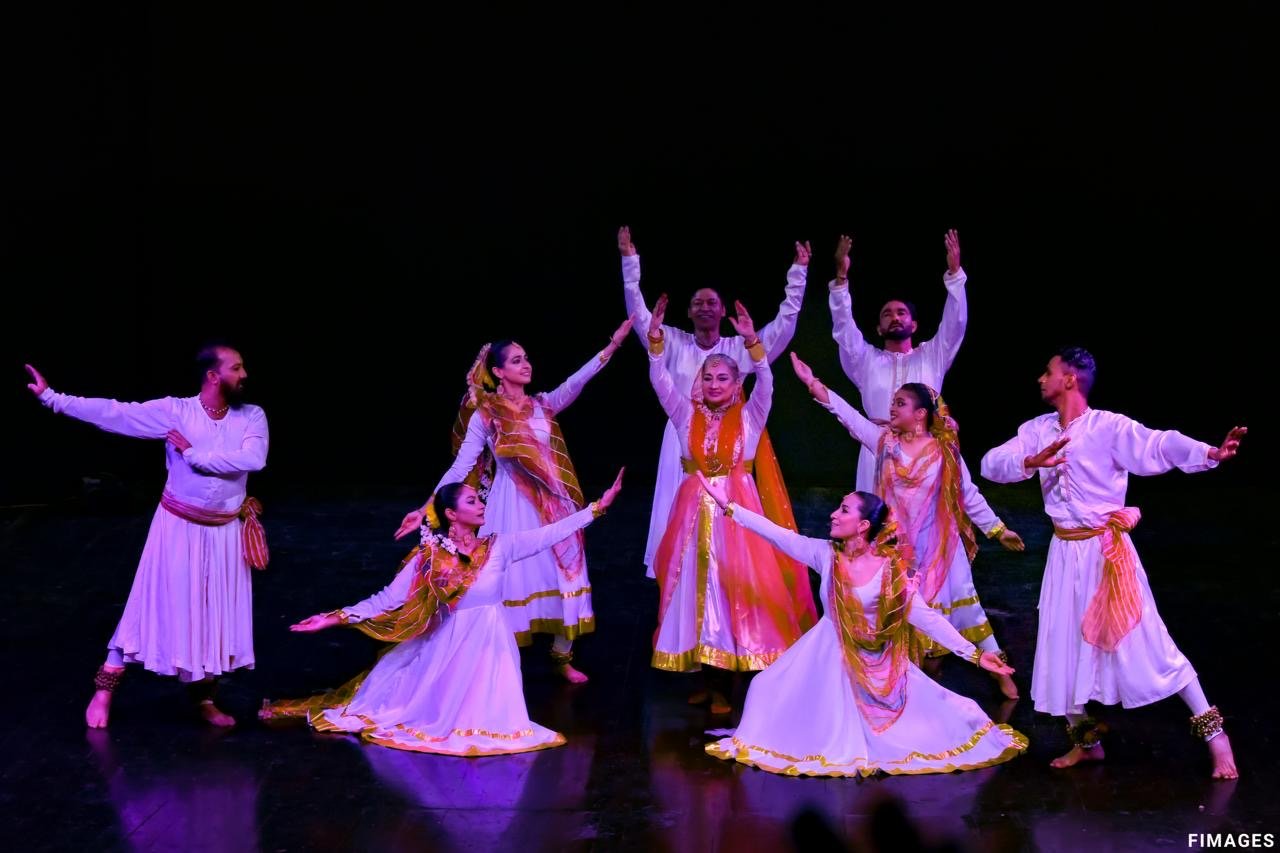
5. Throughout the festival, there was a strong emphasis on dialogue, education, and community engagement. Why was it important for the festival to be more than just a performance platform?
Maan Sayeed:
Classical dance is often seen only as a hobby or performance practice, when in reality it carries a deep educational and intellectual tradition. To truly engage with Kathak, one must also learn its history, cultural context, music, literature, and philosophy. We also believe that no artist grows in isolation. Community, dialogue, and the exchange of ideas are essential for any art form to survive and evolve. Through workshops, discussions, and opportunities for engagement, we wanted to create a space for learning and connection, not just performance.
Momina Farooq Khan:
It was important for the festival to be immersive. We wanted people from different backgrounds to discuss the histories, practices, and cultural significance of dance within our region. Performance, especially within the classical arts, is not merely about entertainment; it is meant to evoke emotion, provoke thought, and create a deeper connection between artist and audience. Through workshops, discussions, and performances, we hoped to encourage a more active and reflective engagement with the arts, where audiences could participate in meaningful conversations and leave with new perspectives.
6. Momina, as a performer and educator, what changes have you observed in the interest and attitudes of younger generations toward Kathak and classical arts in recent years? And Maan, how do you see this interest translating into broader cultural engagement?
Momina Farooq Khan:
I have observed a great deal of interest among younger generations, particularly because many are first introduced to Kathak through popular culture and Bollywood. There is genuine excitement and curiosity about learning the form. However, hesitation can sometimes arise from how Kathak is perceived, especially when people understand it through narrow national categories. I think it is important to remember that our histories and cultural traditions are deeply interconnected. This is one reason we invited artists such as Sujata Banerjee to engage with participants and discuss the form’s repertoire, technique, and history. At the same time, awareness alone is not enough. We need sustainable platforms that support artists professionally, which is why the festival was designed as a ticketed event rather than a one-off cultural showcase.
Maan Sayeed:
I see this interest translating into broader cultural engagement through festivals, workshops, discussions, and collaborations across different art forms. Young people are not only consuming culture; they want to participate in it, question it, and contribute to it. The response to the Lahore Kathak Festival showed us that when meaningful platforms are created, audiences are eager to engage with classical arts in contemporary and relevant ways.
7. Pakistan has a rich yet often underrepresented history of classical dance and performance traditions. What role do festivals like this play in preserving and reintroducing these narratives to contemporary audiences?
Maan Sayeed:
When audiences watch performances, attend workshops, or interact with artists, these traditions become living practices rather than distant historical references. Festivals also challenge the idea that classical arts belong only to the past. They show that these traditions are living, evolving forms that can still speak to contemporary audiences and experiences.
Momina Farooq Khan:
Festivals like the Lahore Kathak Festival are essential because they create visibility for classical performing arts and help restore a vibrant performance culture. For Kathak and other dance traditions to thrive, they must exist not only in studios but also in the public imagination. Such festivals give young people opportunities to encounter and participate in these art forms, while providing artists with platforms for expression. They also foster community, creativity, and meaningful cultural exchange. As more students train and perform, they bring their own perspectives, allowing these traditions to evolve while remaining rooted in their histories.
8. Were there any conversations, audience reactions, or participant experiences during the festival that reinforced the need for more platforms dedicated to classical arts?
Maan Sayeed:
Absolutely. The festival was fully attended, and even after it ended, people continued reaching out to us about classes, workshops, and future events. That response showed us there is genuine interest in classical arts and a clear need for more platforms and learning opportunities. It was also encouraging to see that both audiences and artists are already excited for the next edition.
Momina Farooq Khan:
Absolutely. One of the most encouraging aspects of the festival was the response from young participants and audience members. Many girls came up to speak with us about their enthusiasm for learning classical dance and becoming involved in the arts. These interactions reinforced something we have long believed: visibility matters. The more opportunities people have to witness classical arts being performed, discussed, and celebrated, the greater the curiosity and participation they inspire.
9. Beyond the festival itself, what challenges do artists and cultural practitioners working in classical traditions continue to face in Pakistan, and what kind of support is needed to help these art forms thrive?
Maan Sayeed:
Classical arts need greater institutional and government support, including funding, educational opportunities, and performance platforms. At the same time, artists need stronger support systems for one another through showing up for each other’s work, sharing knowledge generously, and creating more collaborative spaces. For these traditions to thrive, we need to foster a culture of support, openness, and community.
Momina Farooq Khan:
One of the biggest challenges is the lack of sustained institutional support and professional platforms for classical artists. While many practitioners dedicate years to rigorous training, there are limited opportunities to perform, teach, secure funding, or build sustainable careers. Classical arts are often viewed as niche or extracurricular rather than as vital parts of our cultural heritage and creative economy. What is needed is long-term investment in arts education, performance venues, festivals, research, and cultural programming. Greater collaboration between educational institutions, cultural organisations, and public bodies would help create clearer pathways for artists while ensuring that these traditions remain visible, relevant, and accessible.
10. The festival may have concluded, but the conversation around Kathak and cultural preservation continues. What is your long-term vision for the Lahore Kathak Festival, and what would success look like five years from now?
Maan Sayeed:
Our vision is for the Lahore Kathak Festival to become more than an annual event, with pop-up performances, workshops, and ongoing opportunities for artists throughout the year. Five years from now, success would mean supporting artists in their own projects, inviting international artists to teach and perform in Pakistan, and helping local artists travel, learn, and bring that knowledge back home. These are ambitious goals, but we are taking small, steady steps towards them. Bismillah.
Momina Farooq Khan:
Our long-term vision is for the Lahore Kathak Festival to become a living platform for classical dance and performance traditions rooted in South Asia, while also serving as a space for reflection on culture, history, and contemporary society. We see the performing arts not merely as entertainment, but as a mirror through which communities can engage with questions of identity, memory, and social change. Five years from now, success would mean a festival that has grown into a sustainable institution, bringing together artists, scholars, students, and audiences from across the region, while creating meaningful opportunities for performance, dialogue, research, and cultural exchange.