


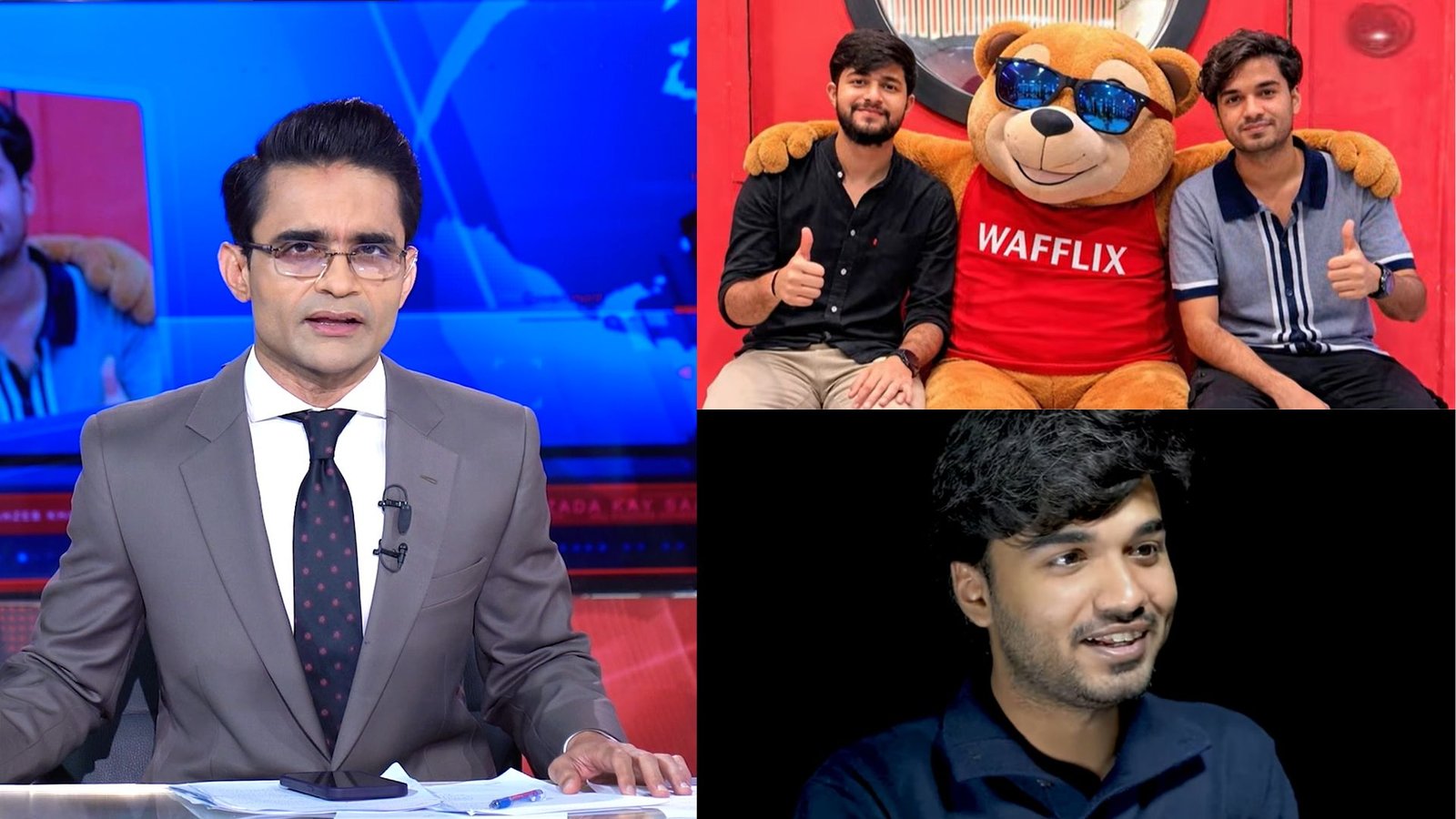
Proceedings of the Judicial Commission investigating the death of young entrepreneur Mir Raza Ali brought intense scrutiny onto his business partner, Ahmed Bhaardey. Journalist Shahzeb Khanzada revealed significant details from the commission’s questioning that raised suspicion against Ahmad. Commission head Justice Umar Sial subjected him to rigorous questioning regarding his actions immediately after Raza’s disappearance, highlighting efforts to paint the victim negatively and requests made to the grieving family to retract official missing person pleas. Attempts to remove missing person requests from the Police Milaap system became one of the key points of examination centered on his interaction with Mir Raza’s family shortly after he went missing. He had asked Raza’s sister to allow him to search Mir Raza’s room, take access to his digital watch, scan notes, and take control of the food delivery vendor’s payments.
While the commission continued to interrogate Ahmad, he requested only that Mir Raza’s name be removed from the Milaap portal, believing he would return on his own or be found shortly, rendering the public alert unnecessary. Justice Umar Sial also pressed Ahmad on the underlying motive for urging the family to dismantle official police records and public notices while the individual was actively missing. As Ahmad’s defense fell weak to the commission’s probes, he made multiple assertions that presented Mir Raza in a critical light; he told the commission that Raza often kept cigarette packets on the shelves, where he allegedly stored cannabis (charas) occasionally. Upon which the Justice directly confronted him, questioning why he deemed it necessary to bring up drug usage before the commission regarding a missing person investigation.
While alleging financial misconduct, Ahmad highlighted that Raza had been involved in high-risk digital currency trading, managing transactions of Rs. 2-3 million, and noted payment delays in their business affairs. However, the commission focused on Ahmad’s attempts to access Raza’s personal belongings and digital credentials immediately following the disappearance. They noted evidence that Ahmad pressured Raza’s family to use his digital watch to send emails altering account credentials, substituting Raza’s details with his own. It was revealed that technical details showed Ahmad’s personal phone number and email address linked to Raza’s cloud accounts.
Along with other defenses falling short, Ahmad was questioned about why he secured pre-arrest bail rather than actively assisting law enforcement. To which his legal counsel stated that threats from Raza’s relatives at the hospital and direct allegations by the missing youth’s father created a fear of arrest. It was observed that given Ahmad’s claimed lifelong friendship with the victim, he should have voluntarily presented himself to the police to provide a complete account rather than seeking protection from arrest. The commission continues to record testimonies as it evaluates the circumstances surrounding Mir Raza Ali’s death.

Mir Raza went missing on July 28, 2026, after he was last seen taking a ride from an online ride-hailing company early in the morning and was dropped off at a desolate area in Gulistan-e-Jauhar at 4:28 am. The youth’s body was found on July 29, 2026, and was initially investigated as a suicide. At the family’s request, the body was exhumed and declared a murder after medical examination. The judicial commission is currently investigating the complex case of Mir Raza’s murder and recording statements from his family, friends, business partners, and employees